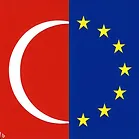
Erasmus students struggle with cultural differences
Zehra Ongan

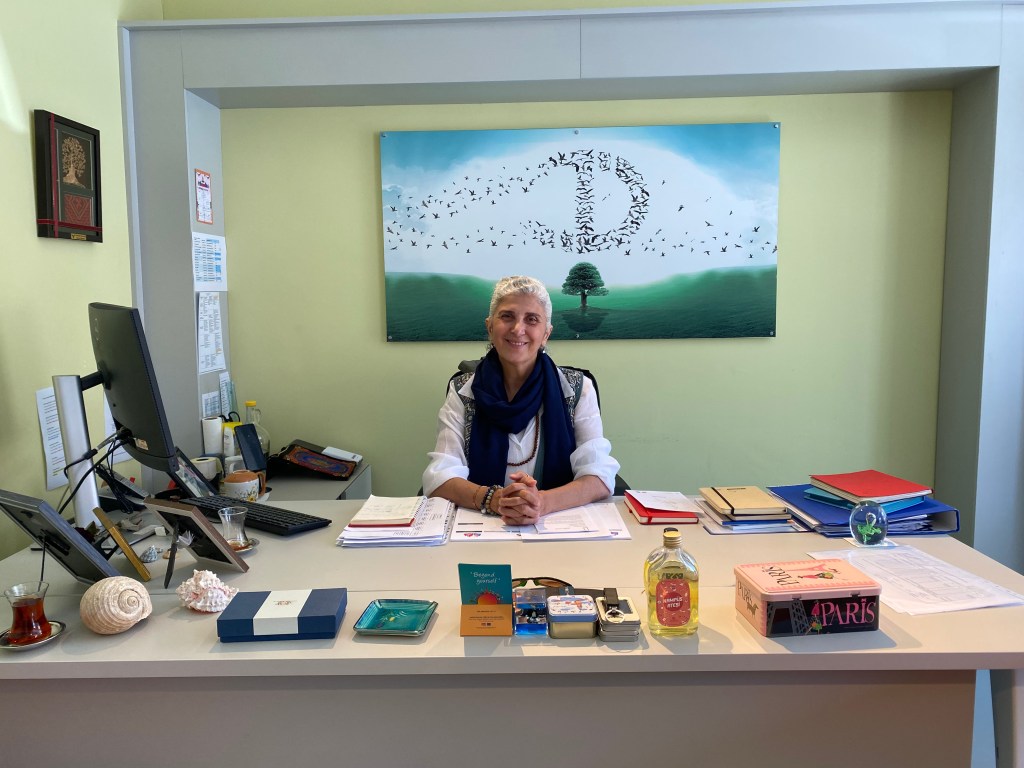
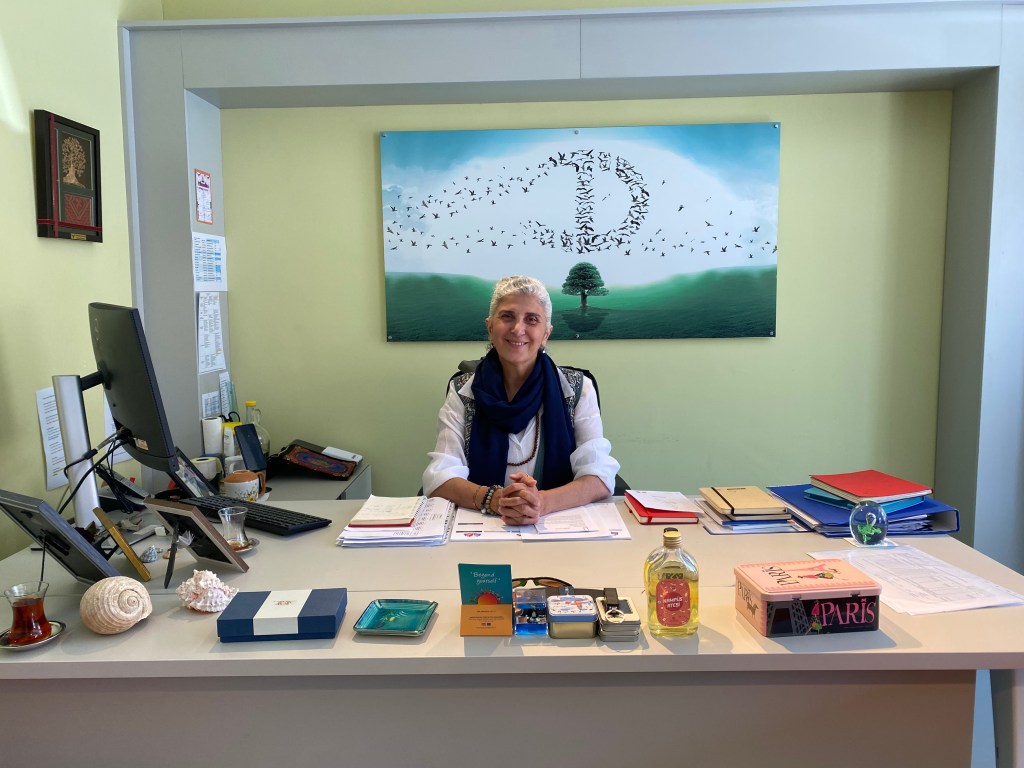
Dilara Boztaş, a psychologist working at Anadolu University Psychological Counseling and Guidance Center, evaluated the processes of coping with cultural differences and the psychological effects of this process for foreign students coming to Turkey under the Erasmus program. According to Boztaş’s observations, Erasmus students often face several challenges when trying to adapt to an environment that is different from their own culture.
While the Erasmus program offers students the opportunity to study in a different country and meet new cultures, it also brings with it various challenges. Psychologist Dilara Boztaş, based on her observations and the problems of her clients on this subject, stated that Erasmus’s experiences with students contribute positively to their personal development, but this process also brings some psychological difficulties. “According to my observations, students see Erasmus as a process that will contribute to their personal development. Therefore, Erasmus is always an inevitable opportunity for students. Due to economic conditions and the exchange rate difference, students cannot have an individual experience in Europe. Both in terms of travel and education. Erasmus is therefore an opportunity. Apart from education, getting to know new people; improving the language, seeing different cultures, and seeing different cultures offer a new perspective on the world.”
Stating that the Erasmus program has positive effects on learning different languages, Boztaş said, “When students go there, they stay in a house where foreign students from different places gather. Or they communicate with the families there. In this way, they have to speak English among themselves. Because someone comes from Spain, someone from Germany, someone from Turkey, someone from Iran. The only common language is English. In this way, they improve their language skills.”
“The housing problem is intertwined with the economy”
Boztaş noted that especially the housing problem has become a concern due to economic conditions and that the Erasmus program also has negative effects on the psychology of students, “Housing, economy, communication, transportation, and cultural problems are among the main problems that arise with Erasmus. The housing problem is more intertwined with the economy. It is very difficult for students to find a place that fits their budget. Secondly, cultural problems.It can be difficult to stay in a student house or family where there is a cultural difference. Students do not feel comfortable. An Indian student may cook very spicy food while a Turkish student may prefer less spicy food. The same is the case when you stay in a family home. While our culture is to go to sleep at 04.00 or 05.00 at night, for example in a German family there is a lot of discipline, they go to bed earlier and wake up earlier. Students usually cannot adapt to this.”
Underlining that the communication problems that stand out among the difficulties experienced by Erasmus students stem from having received a grammar-oriented language education, Boztaş said, “When students go abroad, even though they have the opportunity to express themselves, they first think of the Turkish sentence structure and try to translate it into English. Unfortunately, such problems can occur. They understand the writing, they understand what is spoken, but they cannot express themselves.”
Emphasizing that transportation also causes psychological problems for students, Boztaş said, “Transportation is the same way. If students cannot reside close to the school, there may be someproblems because they are unfamiliar with the city.”
“The reason for prejudices is our misrecognition”
Sharing his own experiences on cultural problems, Boztaş said, “When I was studying high school in Istanbul, there was a problem like this. An exchange program was arranged between students from Switzerland and Germany and students from Turkey. When students from there came, a close friend of mine hosted them in his house. The first question the students asked was: ‘Are there buses here? We knew that you traveled with camels.’ There is such a prejudice. There are still prejudices such as looking at Turkey as a Middle Eastern country, and the fact that we travel by camels in a much worse situation than Egypt or Arabia. I observed the same things during my university years. I think the reason for these prejudices is that we are not recognized enough abroad. Or we are misrecognized.”
Stating that students who go to European countries from Turkey first show some psychological depressive symptoms and feel lonely and excluded, Boztaş said: “Another country, new excitement… You go with great enthusiasm. It is thought that many opportunities will be offered. But they are treated as second-class people.”

Commenting on the psychological state of students coming to Turkey from abroad, Boztaş said, “Cultural differences are also very important for these students. Although students from countries such as Kazakhstan and Turkmenistan are accustomed to Turkish society, they have many differences. When they come here, according to my observation, they group. Or if they have friends outside the province or abroad, they communicate with them. But this is not a one-hour or two-hour communication. They make phone calls for 7-8 hours. In a way, they isolate themselves here.”
Referring to the difficult process of a client who came with the Erasmus program, Boztaş said, “This student came to our country from Kazakhstan. In the first meeting he came, he especially stated the following. ‘I am tired of living in the same room with five other people in the dormitory environment because I cannot express my feelings freely. I was more free in my own country, but when I feel bad here, girls constantly ask me. I don’t feel very good about expressing my feelings. I have to mask my feelings and try to look good.’
Commenting on our cultural structure, Boztaş said, “We have a more social cultural structure. Societies with an individualistic social structure find this a bit more strange. We can easily intervene in life. We can call my client’s discomfort in this regard depression. The biggest reason for this is being labeled as melancholic.”
Stating that he also made some assignments as a treatment method, Boztaş said, “I asked him to look for part-time jobs here, to join some communities, to sign up for sports. Then he decided to be brave and chat with his Turkish friends. They planned a trip with them. She said she was very happy to make Turkish friends the next time she came here. If there is social support at some point, there is no problem that cannot be overcome.”
“Students should do research”
Pointing out that the biggest problem in Erasmus is the lack of awareness about language education, Boztaş said, “We express ourselves through language. Learning a language is very important. We have been learning since the 4th grade, a process of about 15-20 years. We have problems because we don’t have the chance to practice enough. At this point, something like this can be done. Before Erasmus, students are subjected to a language exam. But there is no speaking section like in the IELTS exam. This section can be used in the exam for Erasmus andstudents can be subjected to a higher score. Or students can join a speaking society. With both foreign students and Turkish students. The rule here should be not to speak Turkish. Secondly, again, we can go through culture. Doing research in advance about the structure and culture of the country. It is something based on the student’s labor. I wonder what the communities in Germany are like. What time do they sleep? What time do they wake up? These should be researched beforehand.”
“Great excitement ends in disappointment”
Stating that students are left alone both socially and culturally after the Erasmus process starts, Boztaş said, “Students are not followed. Maybe a counseling service can be provided for this. A student or a counselor teacher who has previously mastered the Erasmus process can be assigned in this regard. In each department, professors assigned to Erasmus can take charge, as is the case in your faculty. If there is any process abroad, the lecturers step in. These students are followed from the beginning to the end of the process. They are completely followed both educationally and socially. This is a useful situation in this respect. I think these consultancy projects can pave the way.”
Aruzhan Kasyym, who came to Anadolu University English Business Administration Department from Kazakhstan with the Erasmus Program, made some comments aboutEskişehir. Kasyym said, “Eskişehir is very similar to my city. In terms of population and people’s approach. We also have a river called Ertis but it is wider. The bazaar part of Eskişehir is culturally very similar to my city but there are big cultural differences between the two countries. I noticed here that older people and even some young people are less interested in digital literacy. Whenever there is a problem, people go to institutions thinking that it is faster and more efficient than using online platforms and apps. The difference in pace of life is evident everywhere. The approach to education and the length of classes, the fact that people are generally more relaxed and not in a hurry, just enjoying the days without the ‘cult of efficiency’,can still be annoying to an outsider. It also takes me more time to do any official work, waiting for a request to be processed and generally dealing with the locals. I think this is the first thing to consider when coming to Turkey.”
“Very similar in terms of culture”
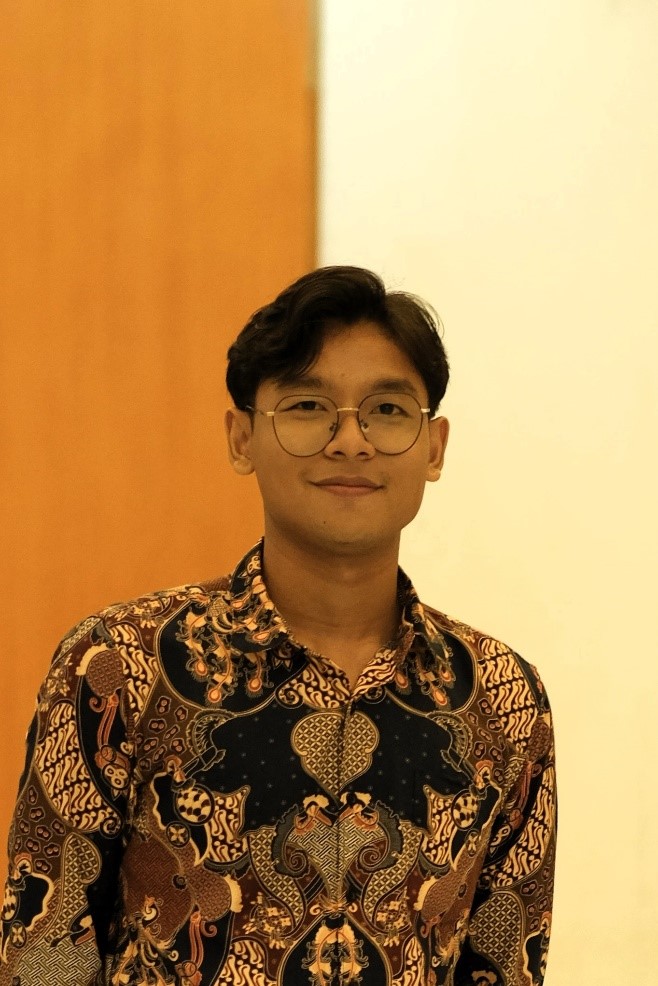
Khalid Rismoyo, who came to Anadolu University, Faculty of Communication Sciences, Department of Public Relations and Advertising with the Erasmus Program from Indonesia, said, “In terms of culture, there are things that I find quite similar to Indonesia. It was nice to hear the call to prayer often like in Indonesia. This is because the people are Muslim like in Indonesia. Another thing is that people in Turkey are humble like Indonesians. Turks like to smile just like us
This made me very attached to Turkey. It made me feel warm and it made me feel at home. What I find completely different is that people in Turkey are a bit more blunt. In Indonesia, there is something we call ‘Sungkan’. In other words, you are worried that people will be insulted angry, or uncomfortable because of what you want. That’s why we are afraid to ask or tell others what we want, but this is not the case in Turkey. We are more comfortable and easier to express our wishes and we don’t face prejudice. Another thing is the difference in weather. Turkey is cold compared to Indonesia. Also, it is very animal-friendly here. There are a lot of dogs in Eskişehir and people love to feed them. I think Turkey is more influenced by Western culture than Indonesia.”
“People have few hobbies”
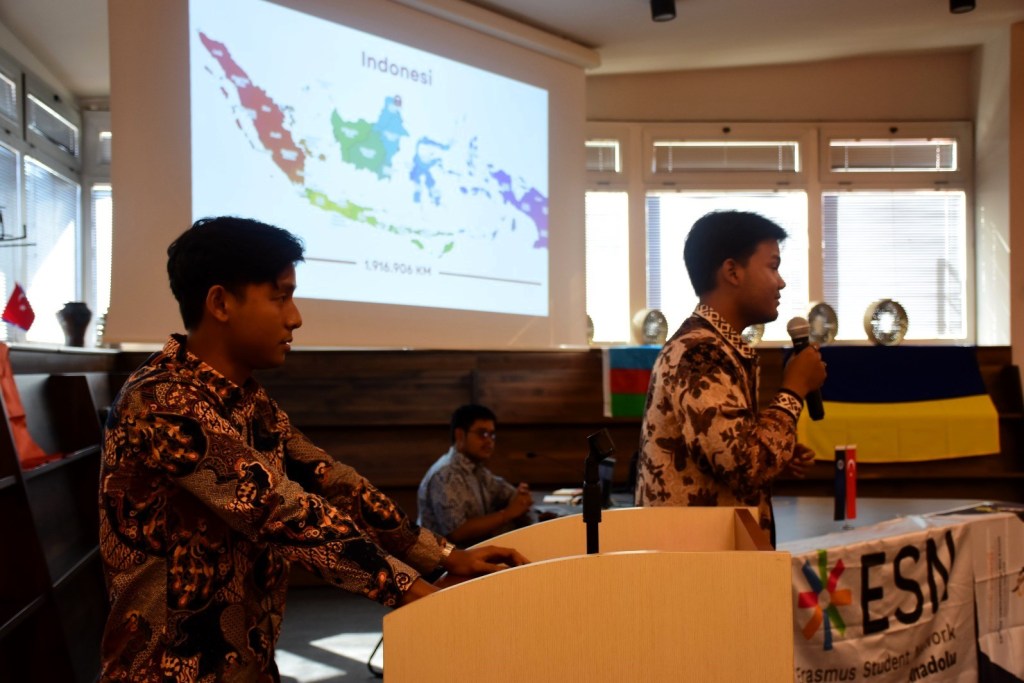
Marie Franz, who came to Anadolu University German Language Teaching Department from Germany with the Erasmus Program, said, “Eskişehir is a student city for me. You can also come across such a city in Germany. People usually go out on weekends to have fun and this reminds me of the student cities in Germany. I think it is a very nice student city. There are also some differences I have observed. Students here play sports much less than in Germany. In Germany, we have a lot of activities in this regard. There are more sports and cultural events and the students in general are much more active and social. Here people usually meet with friends for tea and coffee. Apart from that, it seems to me that people here have fewer hobbies. I think cultural and sports activities need to be increased in Turkey.”
Yana Pyplpenke, a student of the English Language Teaching Department who came to Eskişehir from Poland, said: “I am from Ukraine. I think Ukrainians are similar to Turkish people. I think the thing I noticed the most is that people are very helpful and always try to help you even if they don’t understand your language. The smiling face and helpfulness attracted my attention. I didn’t feel like a stranger in the society. If I talk about the difference, I can say that Ukrainians are more noisy and Turks are more shy. I think the lifestyle of Turks is also a bit different because Ukrainians prefer to do everything fast. Turks, on the other hand, take their time.”

 Eskısehir ın Europe