
European Commission grants €450,000 support for a project at ESOGÜ
Ceren Polat
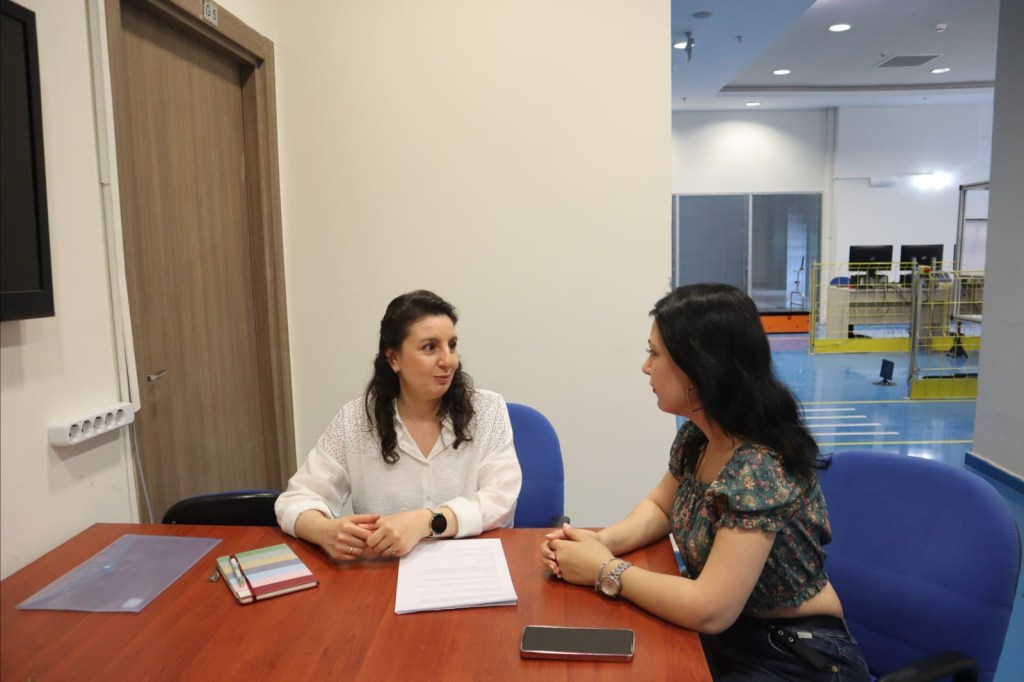
The European Commission has provided support to Turkey through a grant awarded to the project selected among applications in the field of electronic software and hardware under the R&D projects opened in 2023. The project, named Matisse, aims to target developments in digital twin-based technology in complex industrial systems.
Dr. Kübra Yayan, Research Assistant at the Department of Geology Engineering, Eskişehir Osmangazi University, provided the following details about the project:
€18 million grant-winning The Matisse project is being conducted by a consortium consisting of 28 partners from 7 countries. The coordination is undertaken by Mälardalen University in Sweden. The project aims to promote early verification and control in complex industrial systems using artificial intelligence and robotics technologies.
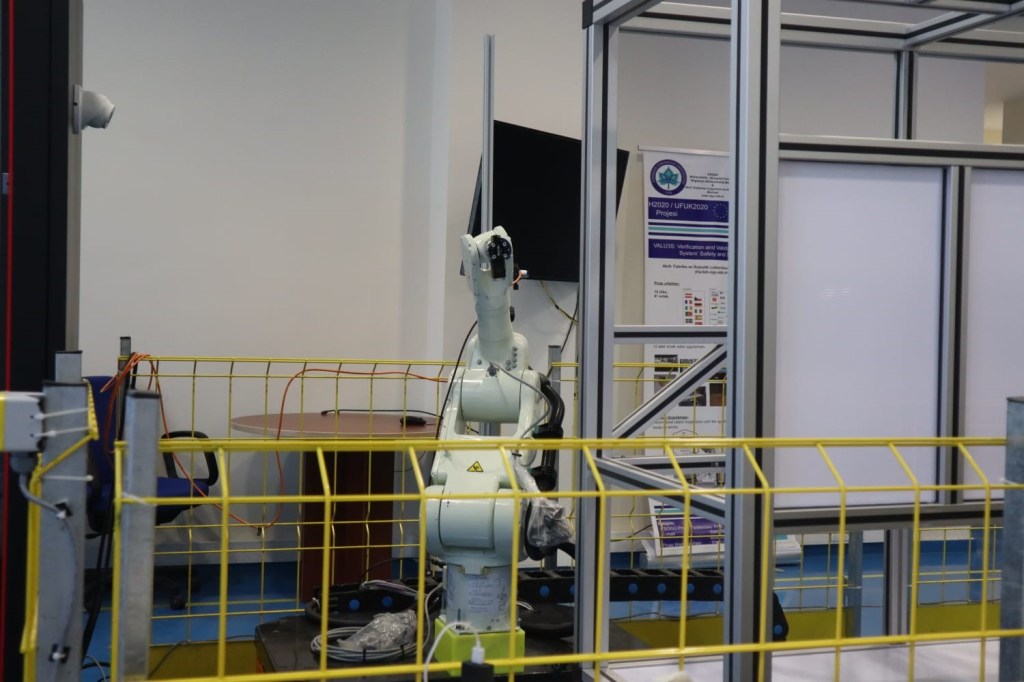
In the Turkish part of the project, the focus is on the automotive sector. Digital twin-based solutions by DefTR are being developed for the examination of cars through robots in leading companies’ factories like Otokar, and to improve the performance of robots. This optimizes production processes by accurately determining the maintenance needs of robots.

The Matisse project provides €2 million in grant support to Turkey. 35% of this grant is covered by the European Union, and 65% is covered by the Scientific and Technological Research Council of Turkey (TÜBİTAK). Partners in Turkey include Osmangazi University in Eskişehir (ESOGÜ), Otokar, and DefTR.
This support demonstrates the importance and success of collaborations between universities and industry in Turkey in R&D activities. The knowledge and technologies developed through the Matisse project are expected to be disseminated across industries and shared with other countries.
The Matisse project aims to popularize the use of digital twin-based technologies in the automotive sector in Turkey. The digital twins developed under the project are used to optimize the performance of robots in automotive production. For example, the maintenance needs of robots used in car manufacturing are better understood, thereby increasing production efficiency.

Software testing activities conducted by ESOGÜ – Advanced Factory and Technology Laboratory (IFARLAB) contribute to the successful progress of the project. Through these activities, the performance of digital twin-based systems is tested, and feedback is provided for development processes.
The goal is to transfer the knowledge and technologies obtained at the end of the project to industry and academic circles. This is expected to lead to wider adoption and use of digital twin-based technologies in the automotive sector.
Turkey’s contribution to the Matisse project is considered a significant indicator of R&D and innovation activities in the country. Such international collaborations offer important opportunities to enhance Turkey’s industrial competitiveness and access to innovative technologies.
You can continue to follow the publications and announcements of ESOGÜ IFARLAB and other project partners to keep up with developments and results related to the Matisse project.

 Eskısehir ın Europe