Guillemette Thomas: “The international community must open its eyes to understand what is happening in Gaza.”
Razan Abu Asaker
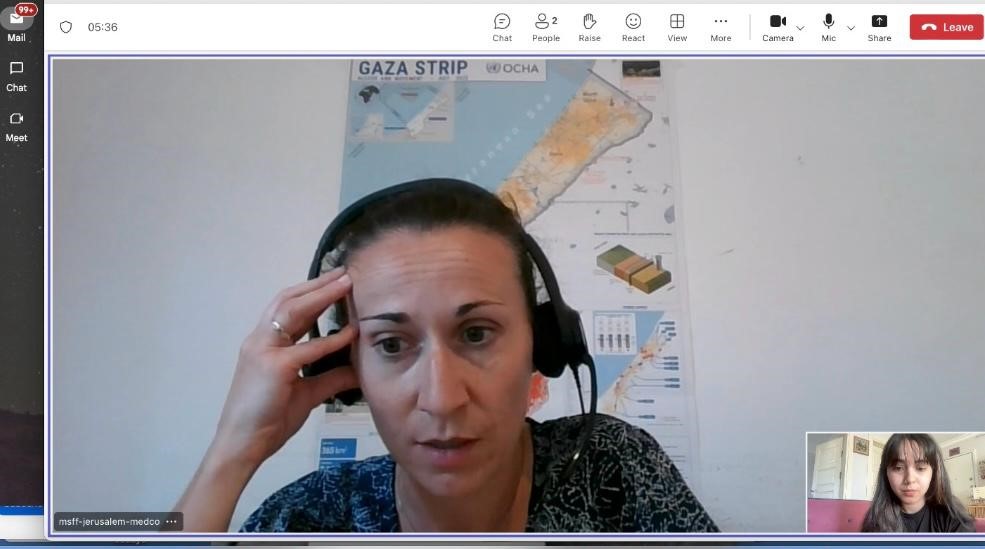
Médecins Sans Frontières (MSF), known as Doctors Without Borders, was established in Paris in 1971 by a group of journalists and medical professionals as an independent, global medical humanitarian organization. Today, MSF operates in over 75 countries, delivering medical aid to those affected by disease outbreaks, natural disasters, armed conflicts, or lack of access to healthcare. Guided by principles of impartiality, independence, neutrality, and medical ethics, MSF aims to save lives and alleviate suffering during crises worldwide.
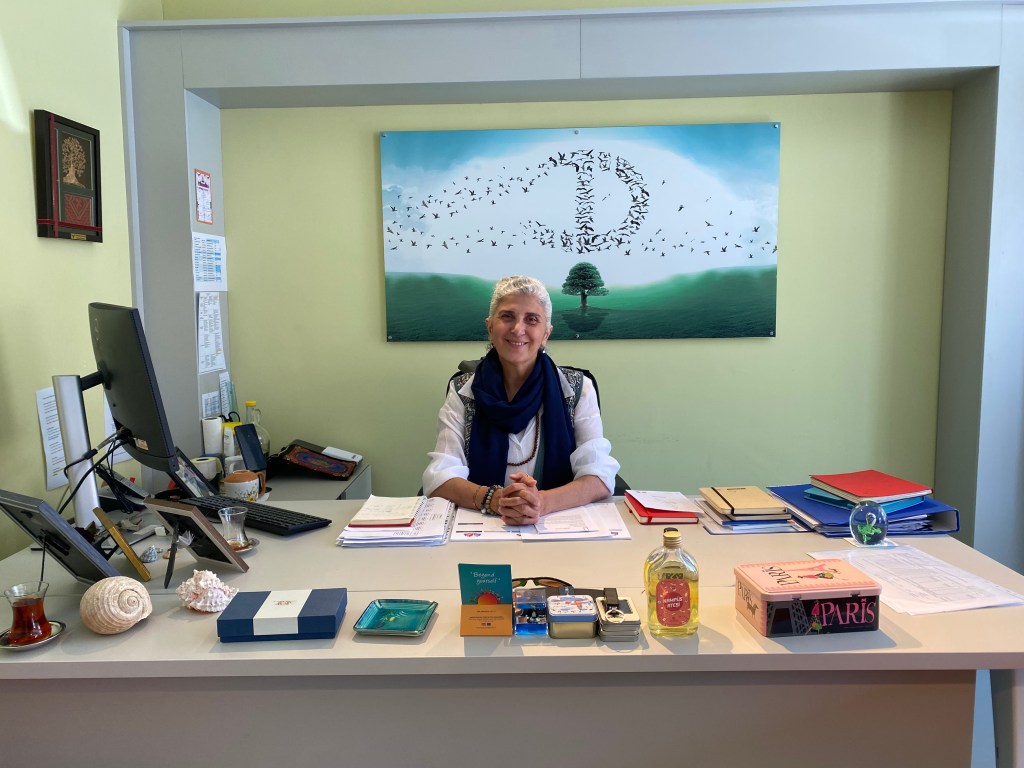
Unique in its funding strategy, MSF receives 98% of its revenue from private donations. This ensures that the organization’s actions are solely driven by the needs of the people it serves, allowing it to operate independently of governmental influence. Under a single charter, tens of thousands of health professionals, logisticians, and administrative staff work together in this non-profit, self-governing, member-based organization. One of the key areas where MSF has been active is the Gaza Strip. Based in Jerusalem, Guillemette Thomas is a medical coordinator responsible for managing MSF’s activities in Gaza and the West Bank. In an exclusive interview, Thomas discussed her role and the challenges MSF faces in these regions.
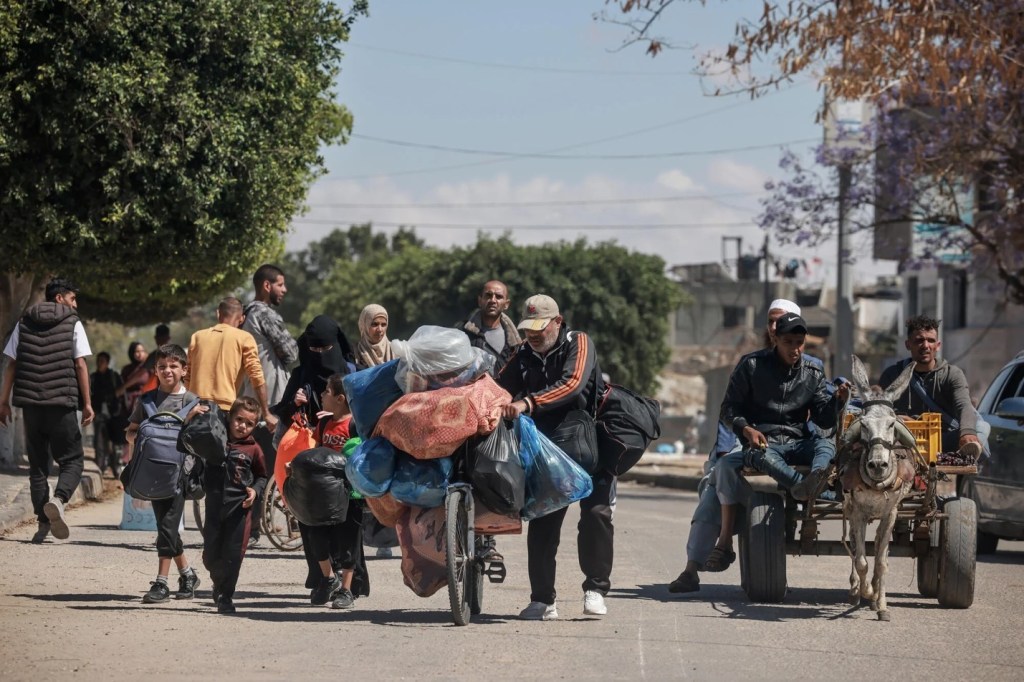
As a medical coordinator in Palestine, Thomas oversees medical initiatives and activities. While MSF’s primary focus in the West Bank is mental health, the situation in Gaza is more complex due to ongoing conflict. For over a decade, MSF has provided medical care to victims of violence in Gaza’s hospitals, including Shifa, Nasser, and Al Aqsa. Despite recent visa issues preventing her from traveling to Gaza, Thomas emphasized that her role includes overseeing the medical aspects of these projects.
Beyond Gaza, MSF has also supported refugees and asylum seekers in Turkey, which hosts the largest refugee population in the world. Although MSF ended direct operations in Turkey at the end of 2022, they continue to provide financial and technical support to local NGOs working with refugees. MSF teams also offer remote support to medical staff in Syria and have actively responded to recent earthquakes in Turkey through partnerships with local organizations.

When asked about her message to the international community, Thomas stated, “The international community should open their eyes to understand what is happening in Gaza. The ongoing violence must end for the benefit of the population. Despite claims by the Israeli army, the civilian population is not being protected. The bombing must stop. We need to ensure that all of Gaza can receive humanitarian aid. The international community must enable this aid and provide the necessary support to protect and assist the population of Gaza.”

In conclusion, MSF’s steadfast commitment to providing medical care in some of the world’s most challenging environments exemplifies the organization’s dedication to humanitarian principles. The situation in Gaza, as detailed by Guillemette Thomas, highlights the urgent need for international support and intervention to ensure that lifesaving medical aid reaches those in desperate need. As conflicts and crises continue to emerge globally, MSF remains a beacon of hope, delivering essential medical services and advocating for vulnerable and underserved populations.

 Eskısehir ın Europe