The long road of Turkey’s EU membership negotiations
Oğuzhan Halil Özbek
It has been 19 years since the full membership negotiations between Turkey and the European Union (EU) began on October 3, 2005. Whether Turkey will join the EU in the near future remains uncertain.
Reasons for Slow Progress
The main reason for the slow progress and delays in bilateral relations between Turkey and the EU is the EU’s concerns about Turkey. The challenges faced by European integration have also negatively impacted Turkey-EU relations. The EU has adopted a cautious approach towards revitalizing the negotiations with Turkey.
A New Roadmap
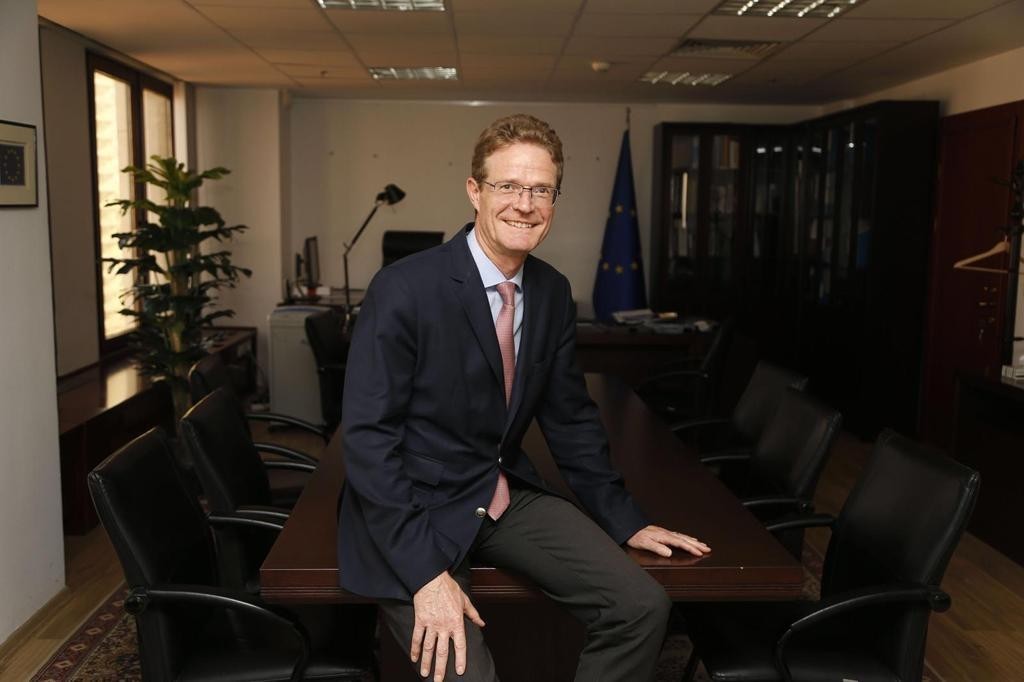
Following the general elections in Turkey on May 28, 2023, the EU Council of Ministers assigned Josep Borrell, the High Representative of the Union for Foreign Affairs and Security Policy, to prepare a report that would serve as a roadmap for bilateral relations. The report prepared by the EU Commission included positive assessments about Turkey, stating, “Turkey remains a key partner and candidate country of the EU,” while reiterating previous criticisms on issues such as democracy, fundamental rights, and the judiciary.
Role of the EU Delegation in Turkey
The EU Delegation, which fulfills various duties and responsibilities on behalf of the EU in Turkey, continues its efforts to maintain diplomatic relations between Ankara and Brussels and to sustain policy dialogues. The Delegation supports and monitors Turkey’s EU accession process. It provides financial assistance for the necessary reforms to align Turkey with the EU acquis, ensuring the implementation of projects and the proper use of funds.
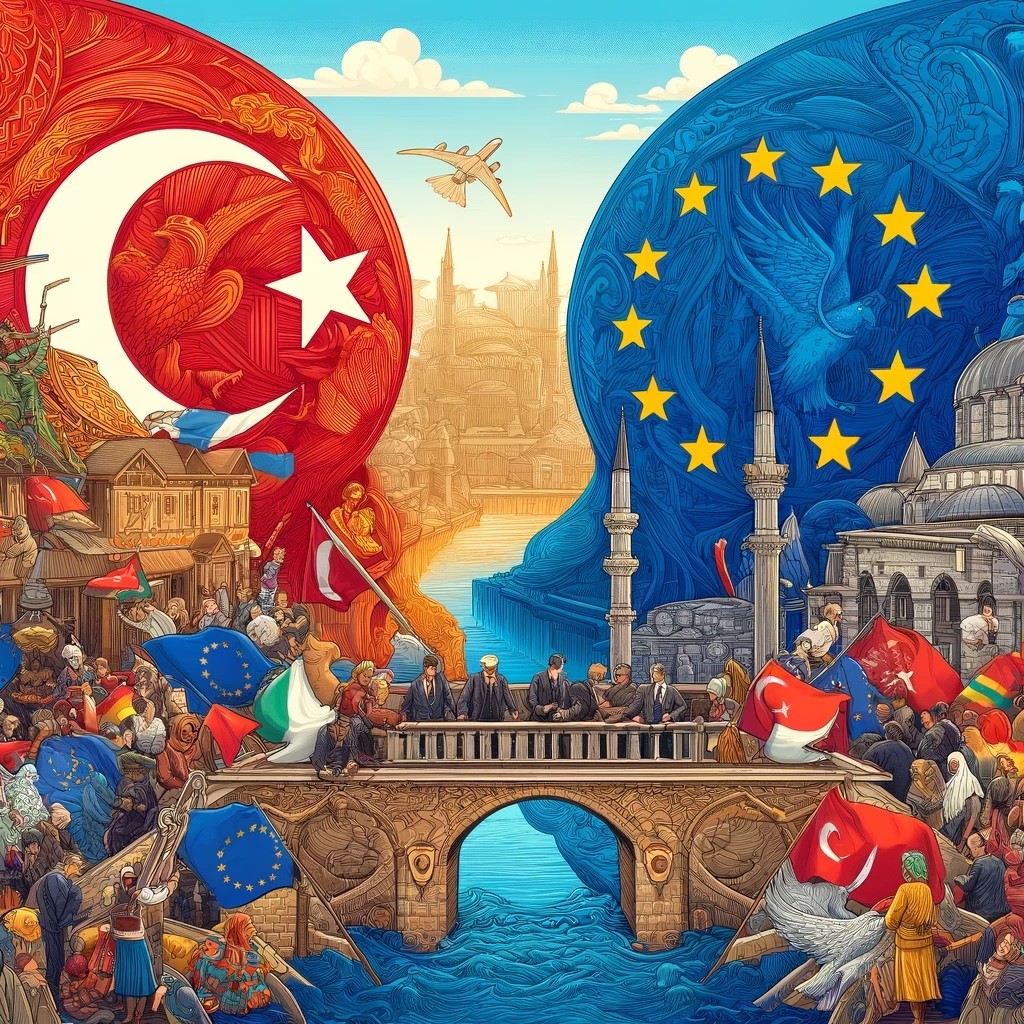
Ambassador Nikolaus Meyer-Landrut’s Perspective
Evaluating Turkey-EU relations, Ambassador Nikolaus Meyer-Landrut, Head of the EU Delegation to Turkey, stated that significant progress had been made since he took office. He remarked, “At this stage, I do not think EU-Turkey relations are where they should be. I have seen many people in this country who consider Europe and the European way of life very important. Although this does not directly imply membership, it is clear that a significant portion of the population embraces what I call the European aspiration.”
Ongoing Collaboration and Support
Turkey has participated as a partner in nine major programs, including Horizon and Erasmus. While Turkish researchers, research institutes, and the private sector gain access to European funding, the EU is supporting Turkey with a budget of 1.4 billion euros for operating expenses and teacher training in 200 schools across the country.
Criteria for EU Membership
Emphasizing that the same criteria apply to everyone in EU membership, Ambassador Landrut said, “The accession process to the EU is primarily evaluated based on the Commission’s annual reports. One of the key areas is what we call the political or Copenhagen criteria. These are the decisions that form the basis of the EU’s accession processes and are taken concerning all candidate countries.”
Resilience of Turkey-EU Relations
“Turkey-EU relations are certainly not at the stage we desire. This is a complex and multi-dimensional relationship. Nevertheless, Turkey is a candidate country, and our relations have proven resilient in the face of numerous and unprecedented crises dating back decades,” said Ambassador Landrut.
Moving Forward
“It has been four years since I took office. During my tenure, we have tirelessly worked in many areas of mutual interest, such as foreign policy, trade, investments, migration, connectivity, and green and digital transformation,” concluded Ambassador Landrut, highlighting the continuous efforts to strengthen the relationship between Turkey and the EU.

 Eskısehir ın Europe