European atmosphere through sister city relations
Güven Duysak
Provinces and districts in Türkiye aim to establish sister city ties especially with cities in European countries, to develop cooperation in socio-cultural and economic fields, and to share knowledge and experience regarding local government practices.
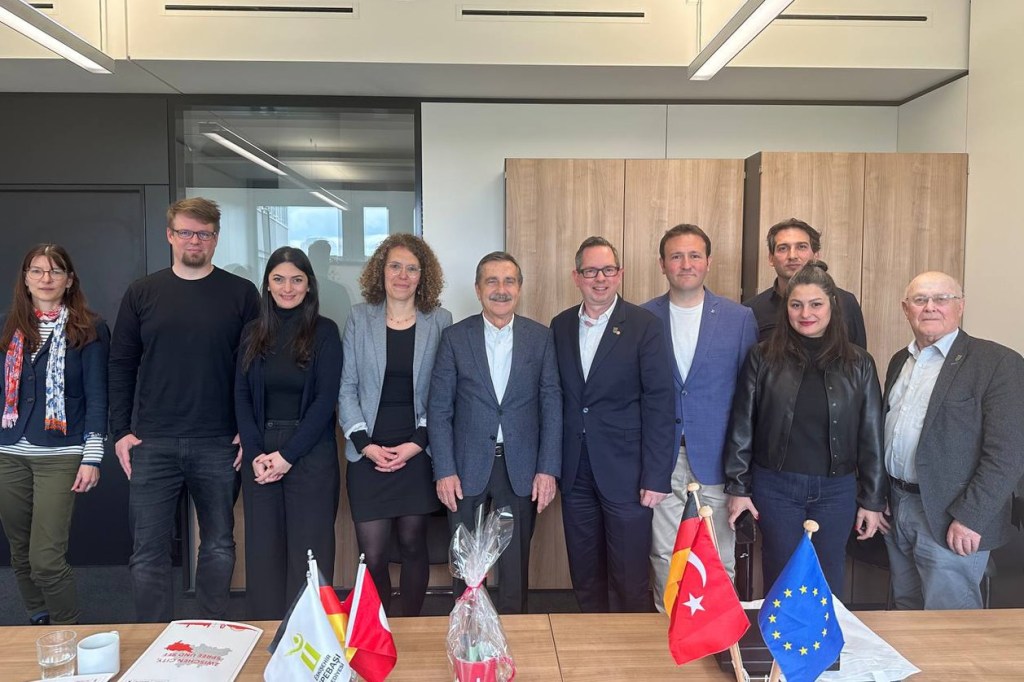
Eskişehir Tepebaşı Municipality, under the leadership of its Directorate of Foreign Relations, establishes friendly relations with foreign cities and lays the foundations for sister city relations through protocols signed with these cities.
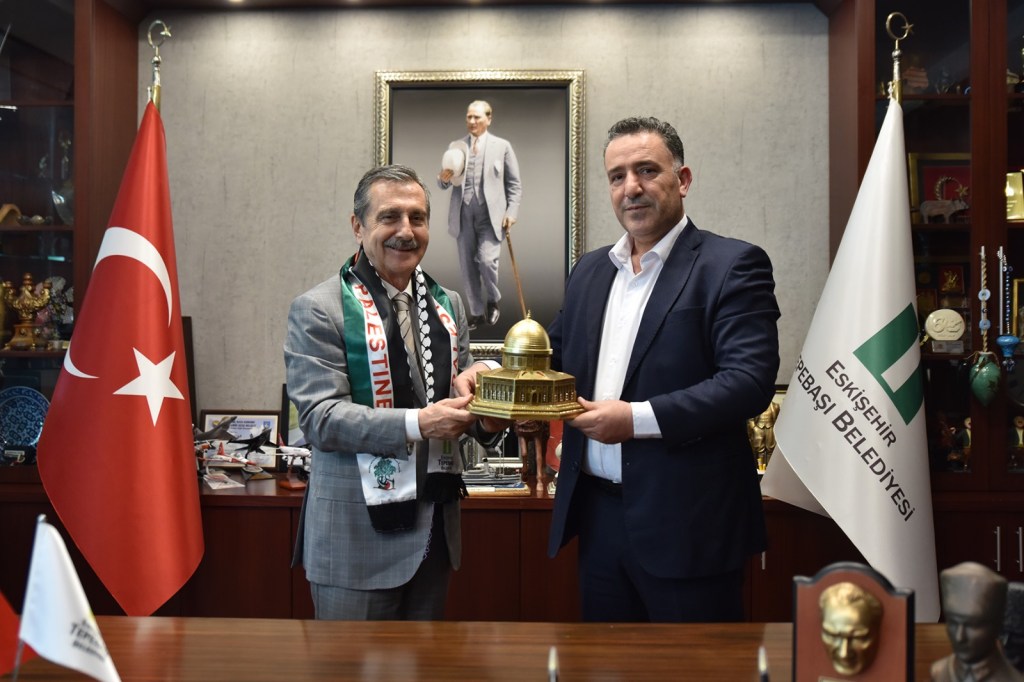
Tepebaşı Municipality has sister city relations with the Boyeros Municipality of Havana in Cuba, the city of Umea in Sweden, the Treptow-Köpenick district of Berlin in Germany, the city of Constanta in Romania, the Maritsa district of Plovdiv province and the Dobrichka district of Dobrich province in Bulgaria, the city of Cumaná/Sucre in Venezuela, and the Salfeet Municipality in Palestine. The municipality also has several sister municipalities within Türkiye.
How to become a sister city?
The process of becoming a sister city begins with a letter of goodwill, which serves as a preliminary step to strengthen relations. Following this, a mutual decision is made by the municipal councils of both sides to take the first official step. After the council decisions, essential information about the city to become a sister city, the council resolution, a sample of the protocol to be signed, and an official letter are sent to the Ministry of Environment, Urbanization and Climate Change. Once approval is received, the sister city relationship is established for a definite or indefinite term based on the terms of the protocol.
Within the scope of the signed protocol, cooperation is developed in socio-economic areas, and knowledge and experience sharing takes place in local government practices. Additionally, these protocols allow not only the municipalities but also the peoples to get to know each other, understand each other, and produce together.
What has Tepebaşı Municipality achieved?
Municipalities strive to benefit from the cities they are twinned with, especially in the fields of education and culture. Tepebaşı Municipality has carried out numerous cultural and artistic collaborations with its sister city Treptow-Köpenick Municipality in Germany.
As part of this collaboration, events such as the “Caravan to the East” exhibition, German-Turkish Fairy Tale Readings, the Turkish Wood Carving Art Workshop, the Railway Culture Shared Heritage Exhibition, and projects on “Urban Sustainability and Environmental Protection” were organized and received international awards. Topics such as solar energy and waste management were central to these projects.
Again, through cooperation with the sister city Treptow-Köpenick Municipality, an Incubation Center was brought to Eskişehir. The Incubation Center, established with a grant of 50,000 euros obtained jointly by Tepebaşı Municipality and Treptow-Köpenick Municipality, was designed to address the challenges faced by young people entering the business world and to enable them to play a more active role in it. The center also offered training support in many areas, especially entrepreneurship, and benefited refugees as well.
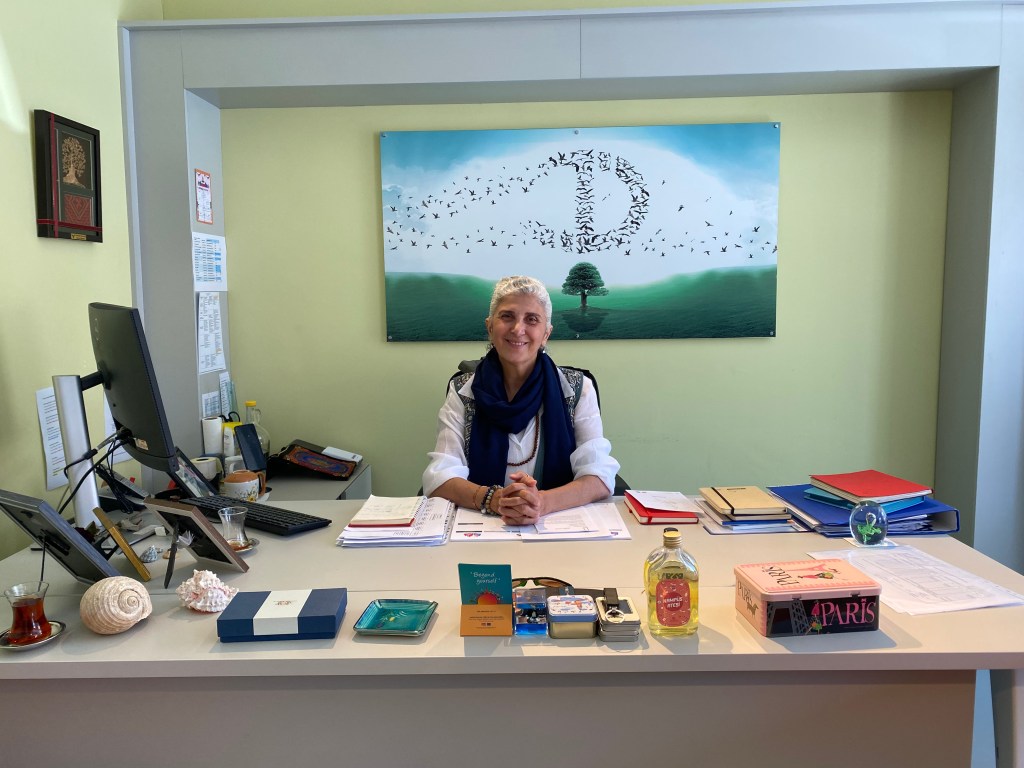
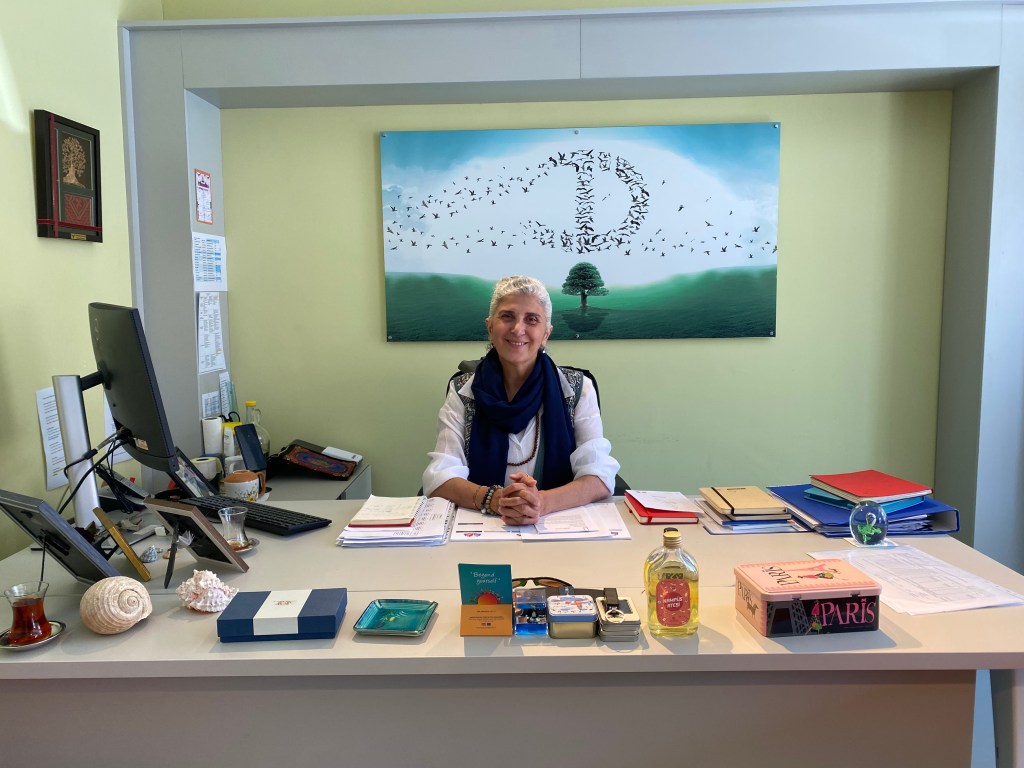
Commenting on the sister city relations, Director of Foreign Relations İnci Çalışkan said, “By establishing sister city relations, local governments are enabled to share experiences on a global level. Cities can transfer good practices to each other and reach sustainable development goals more effectively. Sister city relations are a valuable step that contribute to peace through local diplomacy, promote cultural enrichment, and increase the international visibility of cities.”

 Eskısehir ın Europe