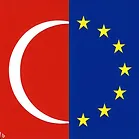
Rapprochement or a new era? Diplomatic transformation in Turkey-Greece relations
Ayşe Mazlum

In an interview with Prof. Dr. Murat Ercan from the Faculty of Economics and Administrative Sciences at Anadolu University, the regional and international effects of the diplomatic rapprochement between Turkey and Greece were discussed. Prof. Dr. Ercan, who has made significant academic contributions in the field of social sciences, emphasized that the recent increase in diplomatic contacts should be closely monitored not only in terms of bilateral relations but also within the framework of multilateral security structures and foreign policy balances. The possible outcomes of the diplomatic processes were analyzed in all dimensions.
Long-term impacts of the Athens Declaration
Signed on December 7, 2023, the Athens Declaration aims to enhance friendly relations and strengthen the principles of good neighborliness between Turkey and Greece. The declaration is built on three main pillars: political dialogue, economic cooperation, and confidence-building measures. Prof. Dr. Ercan highlighted that this document is not merely a declaration of intent but also a concrete roadmap for the future. However, the success of the process depends on the strategic commitment of both parties to these goals.
How is the dialogue process shaping regional politics?
Despite past tensions, the dialogue process gaining momentum between Turkey and Greece is being evaluated as a normalization step based on mutual understanding. Prof. Dr. Ercan stated that this process has created positive effects not only between governments but also among societies. These developments, which play a critical role in the overall stability of the Eastern Mediterranean and the Aegean, have gained an institutional basis with the reactivation of the High-Level Cooperation Council.
Can diplomatic steps in the Aegean and Eastern Mediterranean be permanent?
The most fundamental unresolved issues between Turkey and Greece include continental shelf, airspace, NAVTEX declarations, and Exclusive Economic Zone (EEZ) boundaries. While technical disagreements in these areas persist, the recent avoidance of harsh rhetoric by both parties and the prioritization of diplomatic communication are noteworthy. Prof. Dr. Ercan emphasized the importance of constantly functioning dialogue mechanisms and, if necessary, third-party mediation in maintaining this fragile balance.
Can a new chapter be opened in Turkey-EU relations?
Greece’s EU membership has always been a key element in Turkey’s relations with Europe. While past crises have negatively affected EU-Turkey relations, the positive climate created by the Athens Declaration could reverse this trend. According to Prof. Dr. Ercan, if Greece adopts a constructive stance on issues such as the modernization of the Customs Union, visa liberalization, and accession negotiations, Turkey-EU relations could gain renewed momentum. In this context, Greece could play the role of a facilitator rather than an obstacle.
Growing potential in economic relations
Raising the trade volume between the two countries to 10 billion dollars is one of the concrete goals stated in the declaration. According to Prof. Dr. Ercan, simplifying customs procedures, easing border crossings, and promoting mutual investments could help achieve this target. Cooperation potential is high in areas such as tourism, energy, transportation, and the environment. Joint initiatives in energy supply security and renewable energy projects also highlight the strategic dimension of this cooperation.
What does this mean for other regional actors?
The rapprochement between Turkey and Greece could affect not only these two countries but also the overall balance in the Eastern Mediterranean. Constructive processes, especially concerning the Cyprus issue, could pave the way for energy projects and directly influence Turkey’s position within the EU and NATO. Prof. Dr. Ercan stated that the support of the US and EU in this process would be decisive for the sustainability of the developments.
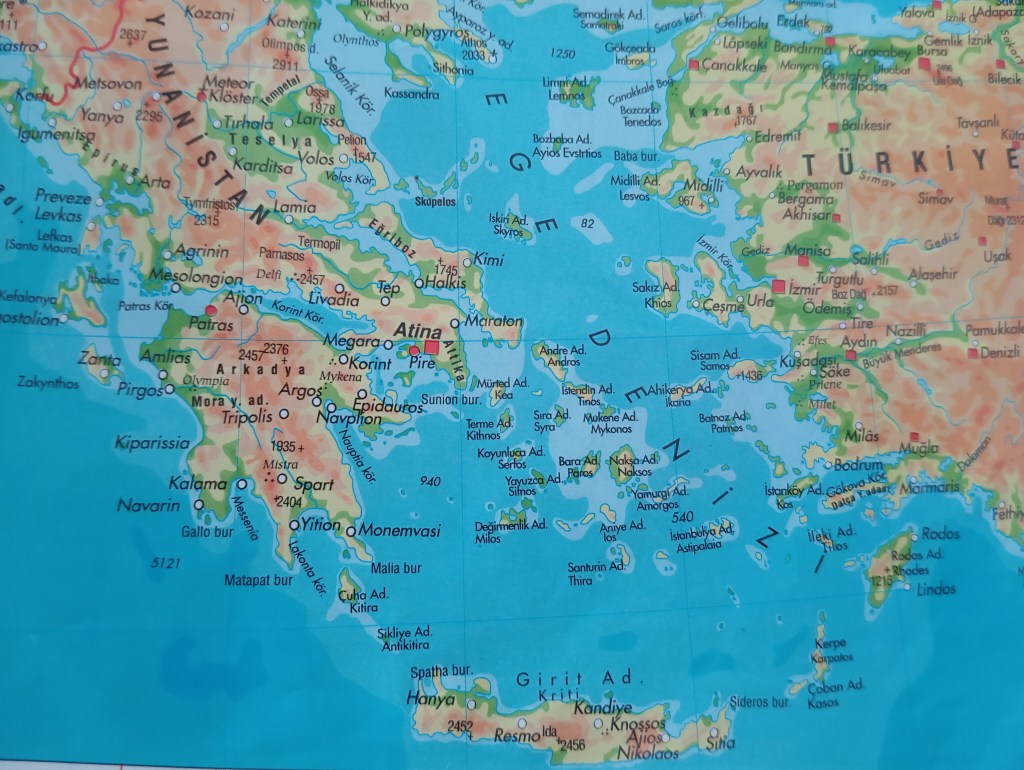
Conclusion: Dialogue must be carried out with strategic thinking
The diplomatic contacts between Turkey and Greece are of great importance not only on a bilateral level but also in terms of regional security, energy strategies, and international cooperation. Prof. Dr. Murat Ercan emphasized that if the process is sustainable, cooperation channels in the Eastern Mediterranean could expand, conflict risks could decrease, and a more balanced power distribution among regional countries could become possible. However, in this multi-actor geopolitical environment, he warned that the dialogue process must be managed with caution and strategic insight.



 Eskısehir ın Europe