Türkiye and the EU at a Decade-Long Standstill
Altynay Kamidullina
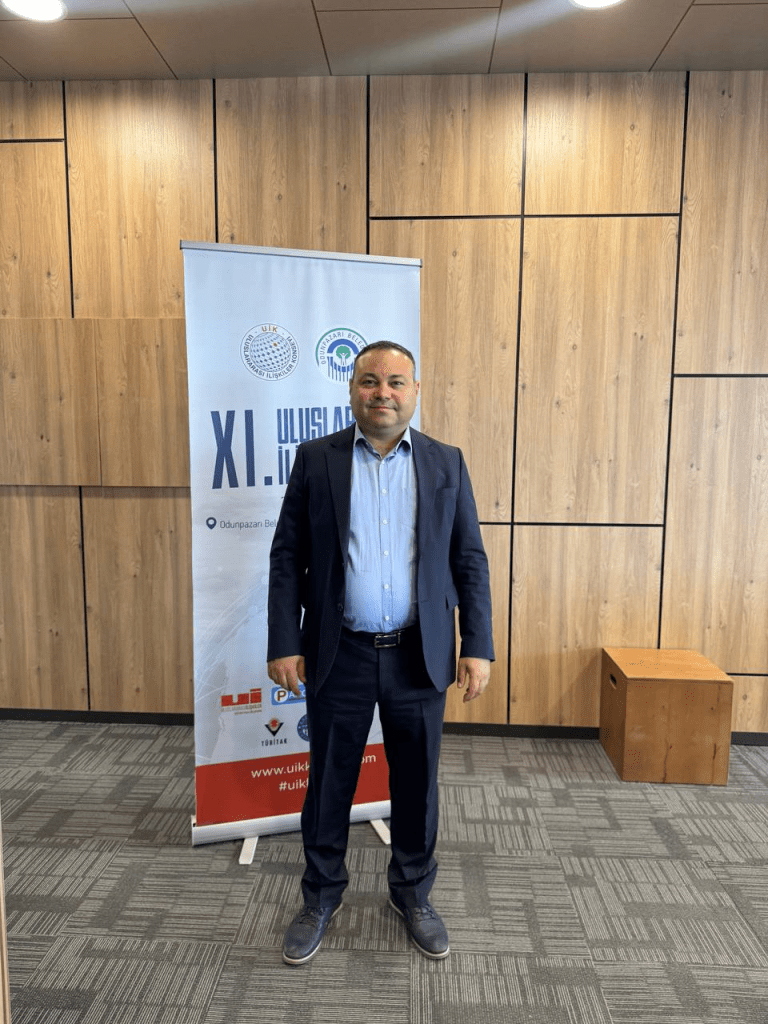
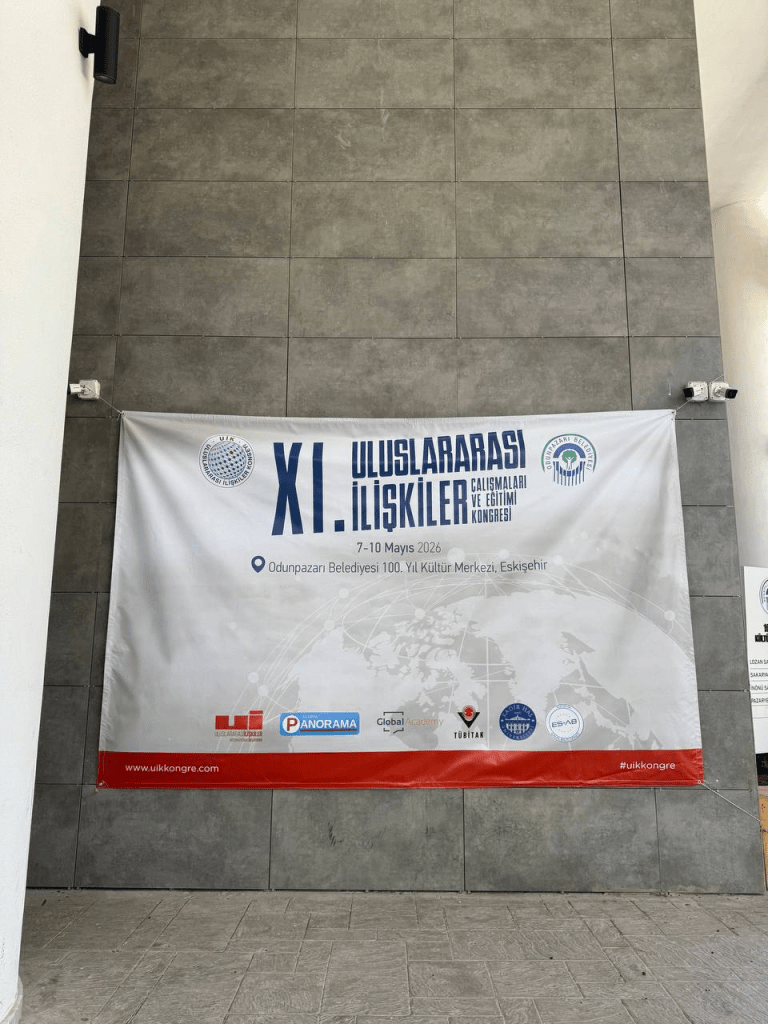
This spring, at a congress he organized in Eskişehir, I had the opportunity to sit down with Assoc. Prof. Dr. Erhan Akdemir. As an international relations scholar who has closely followed Türkiye–EU relations for years, he provided valuable insights into why this long-standing relationship has stalled and what it genuinely means for citizens today.
While many are unaware, Türkiye’s formal engagement with Europe dates back to 1959, when the country first applied to join the European Economic Community (EEC). This was followed by the landmark Ankara Agreement in 1963, a full membership application in 1987, candidate status in 1999, and the official commencement of accession negotiations in 2005.
The period between 1999 and 2005 marked a highly promising era, during which Türkiye implemented extensive political and economic reforms to align with EU standards. Between 2005 and 2016, negotiations advanced across 16 chapters. However, since 2016, not a single new chapter has been opened, leaving the process effectively frozen for nearly a decade.
A Double-Sided Freeze
When asked about the root causes of this stagnation, Assoc. Prof. Dr. Erhan Akdemir highlighted key factors on both sides. On the Turkish side, the 2017 constitutional referendum raised severe concerns in Brussels regarding the trajectory of democracy and the rule of law.
Conversely, the EU faces its own internal identity crisis, compounded by global challenges such as the war in Ukraine, regional tensions with Iran, and deep internal disagreements.
“The EU does not quite know how to respond to what is happening in the world,” Akdemir noted.
Redefining Westernization and the Cultural Argument
Regarding Atatürk’s modernization vision and whether it was strictly a pursuit of “Westernization,” Akdemir offered a crucial reframe. He argued that the core objective was never merely imitating the West, but rather achieving universal standards indispensable to any modern society—such as human rights, democracy, the rule of law, and fundamental freedoms.
“The West happens to represent those values today, which is why we use that word,” he explained, “but the aspiration is bigger than that.”
Addressing the “Christian club” argument—the claim by some European factions that Türkiye does not culturally or religiously belong in the EU—Akdemir strongly dismissed the notion.
“Türkiye had the same culture and religion when it joined NATO in 1952,” Akdemir pointed out. “Nobody had a problem with it then.”
He emphasized that this rhetoric serves primarily as domestic political ammunition within certain European nations rather than acting as a genuine, insurmountable obstacle. Data indicates that fewer and fewer Europeans hold this exclusive view today.
Moving Beyond Military Strength
On the realism of eventual EU membership, Akdemir remained pragmatic: both sides must genuinely desire it, yet neither is currently offering a definitive answer. Türkiye must realign with democratic reforms, while the EU needs to clarify its own strategic direction.
He also countered the narrow view that Türkiye’s value to the bloc is solely military.
“If Türkiye’s economy is strong, it contributes to Europe economically. If democracy and the rule of law are strong, it extends Europe’s democratic reach. It is not just about security.”
Crucially, Akdemir suggested that EU membership should not be viewed as the ultimate destination, but rather as a tool to elevate domestic standards of living, governance, and human rights. His core message was clear: do it for the progress of Türkiye, not merely to please the EU.
The Eskişehir Effect and Youth Awareness
Public opinion data shared by Akdemir reveals that approximately 70 percent of the Turkish population still supports EU membership. The younger demographic, in particular, views the EU as a gateway to enhanced educational opportunities, simplified travel, and broader professional prospects. This sentiment is highly visible in Eskişehir.
Frequently described as Türkiye’s most European city, Akdemir—who has resided there since 2014—attributes this reputation to municipal governance rather than basic cultural differences.
“It has been well-managed for a long time. There is a culture of tolerance here; this is the city of Yunus Emre, after all. People respect each other’s ways of life.”
Supported by three universities and a dynamic student population, the city fosters a unique social environment. While EU awareness among Eskişehir’s youth exceeds the national average, actual participation in EU programs like Erasmus+ remains unexpectedly low. Akdemir argued that bridging this information gap regarding program access would make a substantial, practical impact.
Ultimately, the conversation cut through the prevailing political noise, offering a clear takeaway: focusing on domestic institutional improvement and maximizing available opportunities will naturally pave the way forward.
 Eskisehir in Europe