
Why has visa liberalization between Türkiye and the EU still not been achieved?
Duygu Alkan
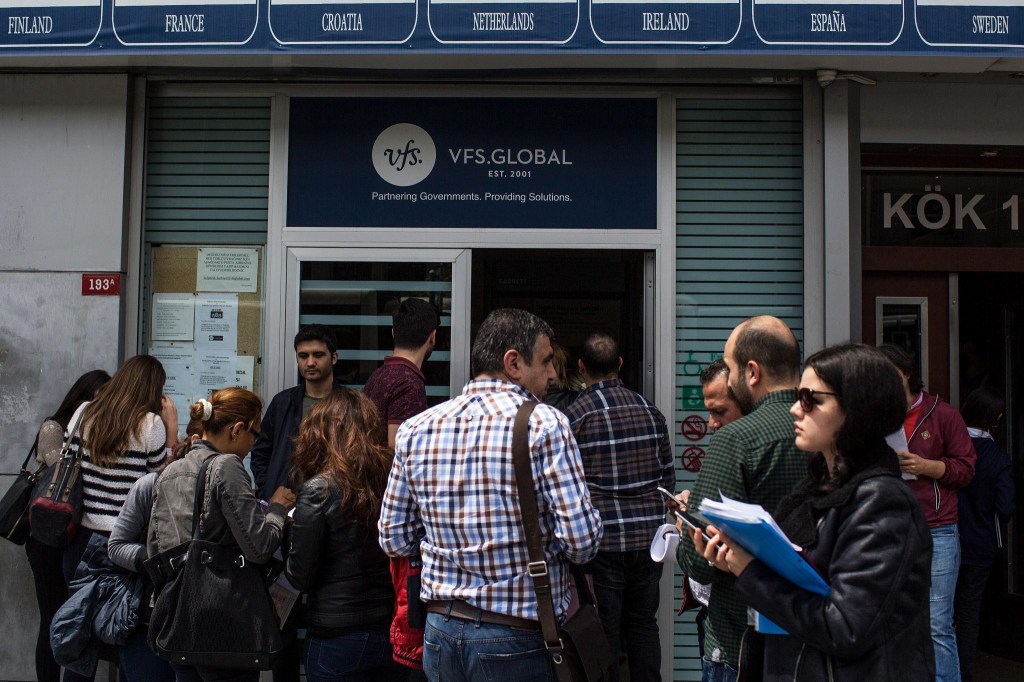
The issue of visa liberalization between Türkiye and the European Union has remained unresolved for many years, despite being a long-standing topic on the political agenda. In light of both official data and academic evaluations, the increasing number of Schengen visa applications and the rising rejection rates reveal that the process is far too complex to be explained solely by technical criteria.
According to European Commission data, Türkiye ranks among the countries with the highest number of Schengen visa applications. In 2024, more than one million applications were submitted from Türkiye, and approximately 14.5 percent of them were rejected. In 2023, the rejection rate stood at around 16 percent. Looking at the longer-term picture, the increase is even more striking: while rejection rates were around 4 percent in the mid-2010s, they have now more than tripled. This indicates that European countries have adopted a more cautious approach toward applicants from Türkiye.
Prof. Dr. Elif Uzun, who commented on the issue, emphasizes that the foundation of the visa debate lies in the sovereign rights of states. According to Uzun, under international law, no state is obligated to grant visas to citizens of another country. “A state has the authority to decide who may enter its territory. This is part of its sovereign power,” she states, adding that in practice this situation is balanced through the principle of reciprocity.

However, it is also clear that the visa problem between Türkiye and the European Union is not merely a legal matter. According to Uzun, political and social factors have increasingly influenced rejection decisions in recent years. Especially in the case of young applicants, European countries tend to consider the “risk of not returning.” Uzun notes that rejection justifications often refer to the country’s economic and political conditions. The fact that individuals applying from the same country can receive entirely different outcomes demonstrates that the evaluation process is highly individualized and open to interpretation.
The EU’s migration policies also appear to play a decisive role in the stagnation of the visa liberalization process. In recent years, increasing irregular migration movements have pushed Europe to prioritize border security. As a result, visa policies have become stricter. Uzun argues that making visas more difficult to obtain may have the unintended consequence of encouraging irregular migration. In her view, the closure of legal pathways can drive some individuals toward riskier alternatives that may raise serious human rights concerns.
The overall state of relations between Türkiye and the European Union also directly affects visa policies. Uzun stresses that the political climate is a determining factor in international relations, stating that “when trust between states declines, this is also reflected in visa procedures.” In this context, recent political tensions between the two sides are believed to have indirectly influenced visa processes.
From a legal perspective, the Ankara Agreement signed between Türkiye and the European Union is another important point of discussion. Although the agreement provides certain visa facilitations, particularly for specific groups offering services, these rights appear to remain limited in practice. It is argued that the European Union has not fully implemented these obligations, citing security and migration concerns.
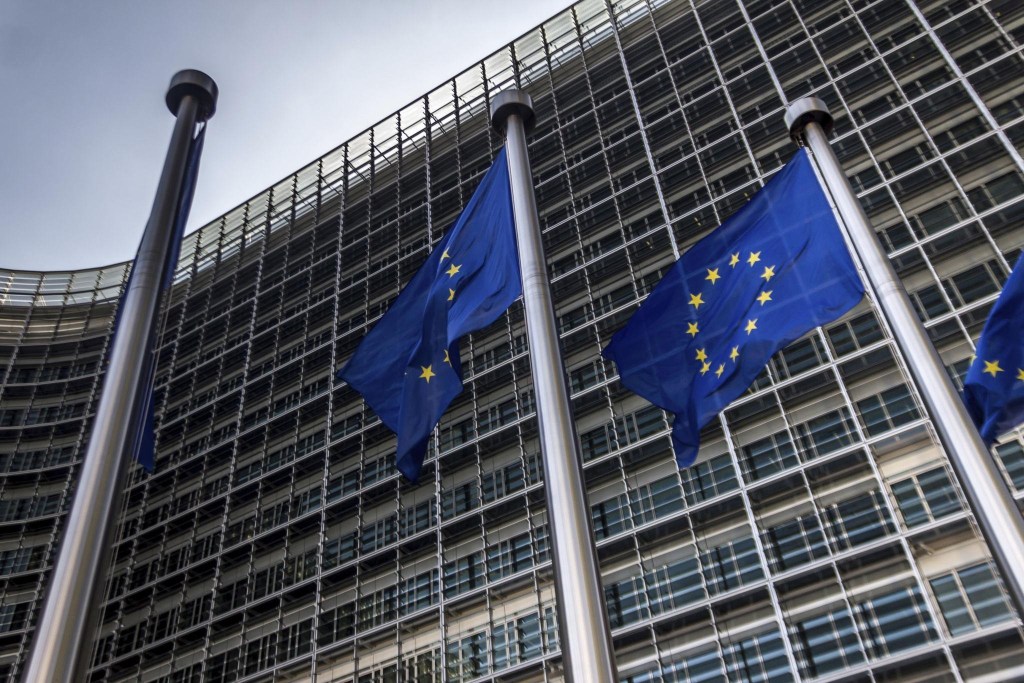
The failure to achieve visa liberalization between Türkiye and the European Union emerges as a multi-layered issue that cannot be reduced to a single cause. When sovereign rights under international law, lack of mutual trust, migration policies, and political relations are considered together, it becomes clearer why the visa liberalization process has stalled. The current situation suggests that, in the short term, the goal of visa-free travel to Europe for Turkish citizens remains difficult to achieve.

