
Eskişehir accelerates its transformation with the Green Deal
EU standards are reshaping the export and production model
Tülay Ürem
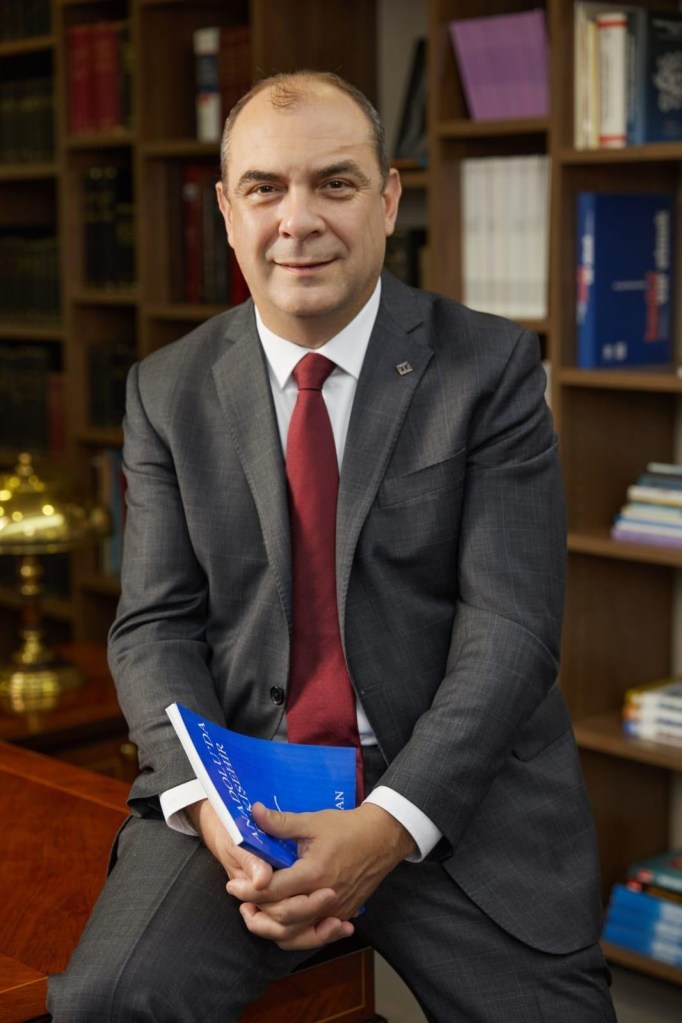
President of Eskişehir Chamber of Industry Celalettin Kesikbaş said that with the EU Green Deal, carbon cost has become a direct part of trade. He stated that companies adapting to low-carbon, traceable, and sustainable production will gain a stronger position in the European market.
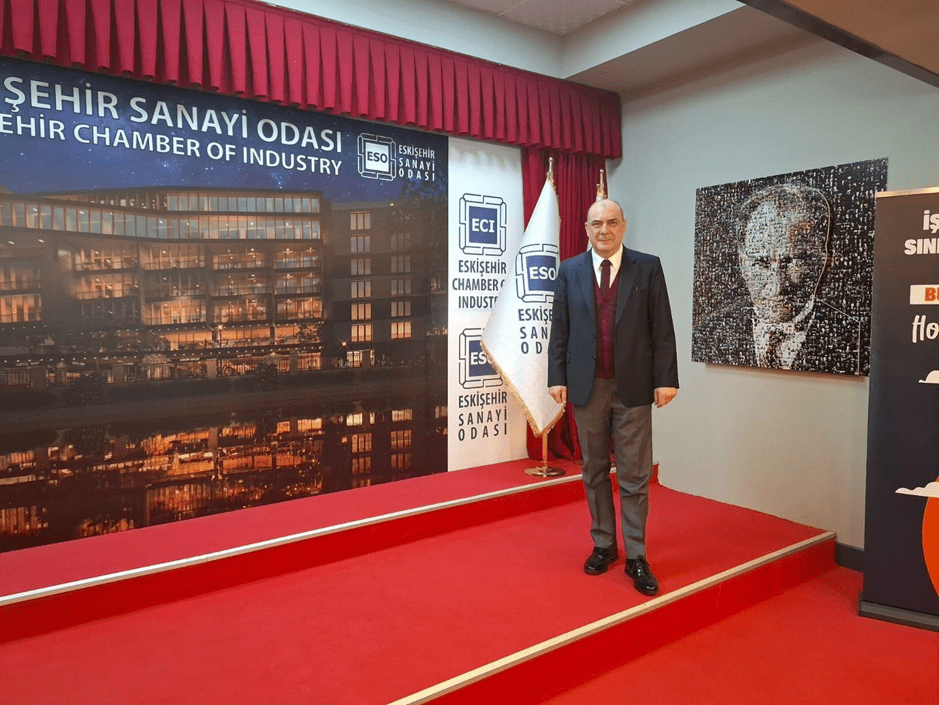
The European Union’s Green Deal and Carbon Border Adjustment Mechanism process have begun to transform production and export practices in Eskişehir’s industry. Kesikbaş said that Europe no longer demands only high-quality and cost-effective products, but also questions which energy source is used in production, the product’s carbon footprint, raw material consumption, and environmental performance.
He added that the main goal of the European Green Deal is to transform the EU economy into a climate-neutral, resource-efficient, and competitive structure by 2050.
Carbon cost has become part of trade
Kesikbaş stated that the transition period of the Carbon Border Adjustment Mechanism was implemented between 2023 and 2025, and that as of 2026 the mechanism has entered its final implementation phase.
He noted that for exporters to Europe, especially in carbon-intensive sectors such as iron and steel, aluminium, cement, fertilizers, hydrogen, and electricity, carbon cost has now become a direct component of trade. He also said that the European Commission’s publication of CBAM certificate prices starting in 2026 has turned the process into a commercial reality.
Kesikbaş emphasized that Eskişehir is among the leading cities capable of adapting to this transformation thanks to its strong production culture, export capacity, and accumulated expertise in machinery, metal, aviation, rail systems, and advanced manufacturing.
Companies must manage carbon data
Kesikbaş said that the most urgent step for companies in Eskişehir is to turn carbon data into manageable commercial data. He noted that CBAM was carried out as a reporting-focused process between 1 October 2023 and 31 December 2025, while the period of financial obligations began on 1 January 2026.
He stated that companies must determine which of their products are affected by the regulation and stressed the importance of regularly recording energy, fuel, raw material, and production data.
Kesikbaş said, “A company that does not measure its carbon will not be able to manage either its carbon cost or its export risk in the future.”
He also noted that the Sustainable Green Industry Unit operating within ESO supports companies in carbon footprint, water footprint, energy and resource efficiency, sustainability reporting, and CBAM preparation processes, while also providing mentorship services in TÜBİTAK procedures.
Railway investments stand out
Kesikbaş stated that railways and low-carbon logistics systems are at the center of Europe’s green transport approach. He added that under the European Union’s sustainable and smart mobility strategy, rail freight transport is targeted to increase by 50 percent by 2030 and to double by 2050.
He said that Eskişehir holds a significant advantage with its railway culture and logistics infrastructure. According to Kesikbaş, the Hasanbey Logistics Center and Eskişehir’s goal of being connected to ports by railway are in line with Europe’s green logistics approach.
He also stated that under the Green Route Project carried out in cooperation with ESO, TCDD Transportation, and ESO-ABİGEM, the first steps have been taken for container train transportation from Eskişehir to ports. He added that the Eskişehir OIZ–Hasanbey Logistics Center Railway Connection is of strategic importance for transporting high-tonnage products to ports.
Green Collar Academy stands out
Kesikbaş said that green transformation is possible not only through technology investments but also through qualified human resources. He announced that the Green Collar Academy established for this purpose has so far been held seven times and has reached more than 400 participants.
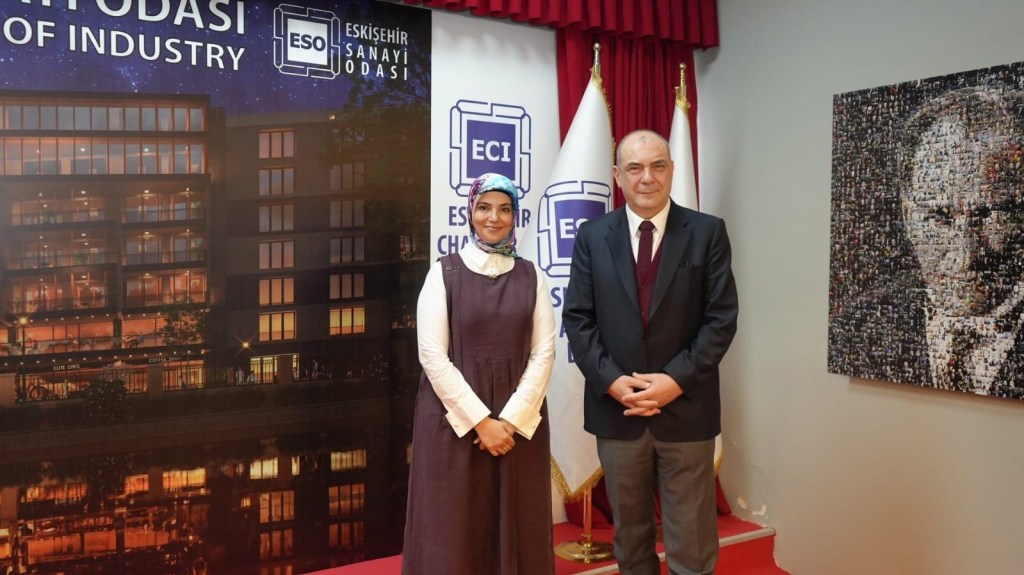
He stated that “green collar” employees trained in carbon management, energy efficiency, resource efficiency, and sustainability reporting will provide companies with regulatory compliance, efficiency, and the identity of a reliable supplier in the European market.
Transformation supported by EU funds
Kesikbaş stated that EU funds, TÜBİTAK supports, development agency resources, and national incentive mechanisms play an important role in the green transformation process. He said that ESO supports companies in project development and access to financing.
He noted that ESO’s activities have reached a project volume of more than 600,000 euros through six EU projects, 800,000 TL through two BEBKA projects, and more than 8 million TL through over 30 TÜBİTAK projects.
Made in EU process may create new opportunities
Kesikbaş stated that the Made in EU approach is becoming increasingly prominent in Europe’s new industrial policy. He said that this approach is not merely a label indicating that a product is produced in Europe.
He added that in the new period, Europe prioritizes suppliers that produce low-carbon, sustainable, environmentally friendly, and traceable goods.
Kesikbaş stated that following the pandemic, the energy crisis, and global supply chain problems, Europe has begun to evaluate production security in a more strategic way. He noted that the EU aims to work more closely with strong production centers in nearby regions.
He said that Türkiye has strong ties with Europe’s production chains, and that Eskişehir can be one of the cities that gains an advantage in this process, particularly with its production capacity in machinery, metal, aviation, rail systems, and automotive sub-industry sectors.
Kesikbaş stated that Europe no longer evaluates suppliers only on price and quality, but also takes carbon footprint, energy efficiency, sustainability reporting, and environmental performance into account.
He added that Eskişehir industry has significant potential in this transformation process thanks to its strong production culture, organized industrial infrastructure, logistical advantages, and qualified workforce. According to Kesikbaş, companies that adapt to the Green Deal process will become stronger and more permanent in the European market.

