“Eurocode” on paper, Porsuk alluvium on the ground: is Eskişehir prepared for a disaster?
Enes Varol
The European Union’s civil protection vision and the concept of “resilient cities” continue to be a significant reference point for Turkey’s disaster policies. However, recent evaluations specifically focusing on Eskişehir—a city located on active fault lines and notable for the risky soil structure of the Porsuk River basin—have once again revealed the dangerous gap between legal regulations and realities on the ground. Experts in the field emphasize that while Turkey has theoretically caught up with European standards in terms of its recently updated building codes and professional search and rescue capacity, it remains significantly behind Europe regarding its aging building stock, transparent inspection processes, and, most importantly, “societal disaster awareness.”
Flawless regulations, problematic soil and inspections
When “Eurocode 8” standards, which determine the earthquake resistance of buildings in Europe, are compared with Turkey’s current regulations, it becomes clear that the problem does not lie on paper. Oytun Gökten, Head of the Eskişehir Branch of the Chamber of Civil Engineers (İMO) under TMMOB, underlined that Turkey’s current earthquake regulations are equivalent to European standards in terms of engineering calculations, and even contain much stricter rules in certain parameters.
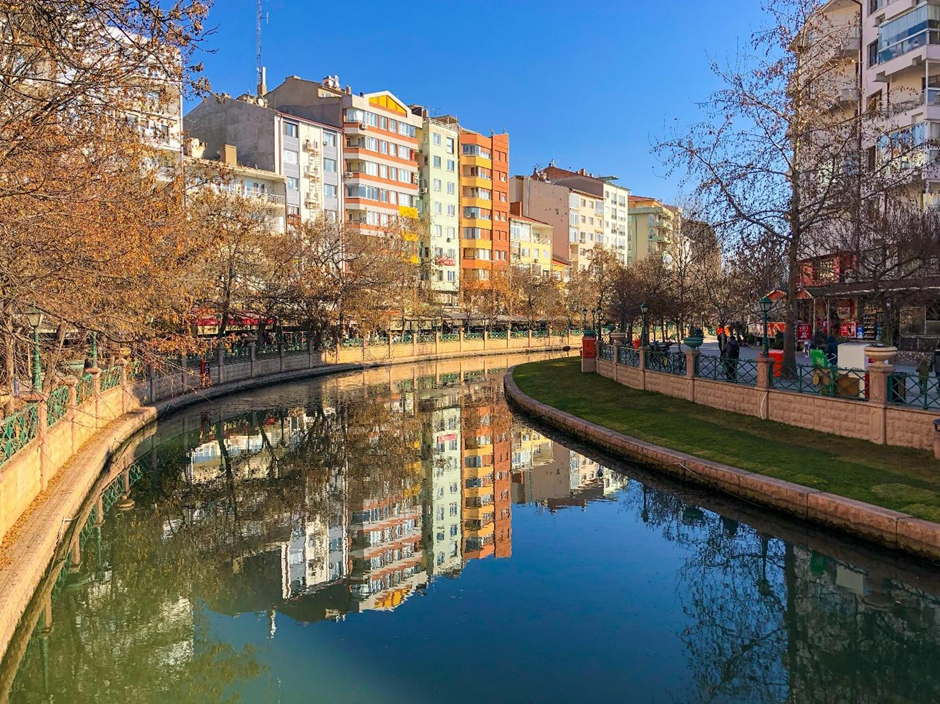
However, stating that a good regulation alone is not enough to keep buildings standing, Gökten expressed that the real crisis is experienced in the inspection of implementation and the soil factor. Gökten said: “When we look specifically at Eskişehir, our biggest handicap is the loopholes in the inspection processes and our highly aged building stock. While micro-zonation and soil surveys are implemented strictly in the light of scientific data in Europe, we continue to live in old buildings on soils with a high risk of liquefaction here in Eskişehir. Merely constructing new buildings in compliance with the standards will not save us. In order to fully achieve the ‘resilient city’ concept set by the EU, it is imperative that urban transformation efforts in risky areas are accelerated in an urgent and planned manner.”
The formula to save lives in the golden hours: neighborhood awareness
On the other side of the coin lies the life-saving and response capacity following a potential destruction. Mert Dülger, Team Leader of the Tepebaşı Municipality Search and Rescue Unit, pointed out that professional teams in the field are exactly on par with Europe’s civil protection vision in terms of equipment and training. Stating that they have no shortcomings compared to teams in Europe regarding equipment quality, technological infrastructure, and international accreditation processes, Dülger noted that the biggest weakness in the field is the civilian population that does not know what to do in the event of a disaster.
Drawing attention to the culture of drills and preparedness in European countries, Dülger made the following assessment: “The sharpest difference between us and Europe emerges in the concept of the ‘first responder’. In Europe, during a disaster, the civilian population knows very well what to do, how to help whom, and how to organize during those critical first hours until professional teams reach the region. It is actually the conscious public itself that saves lives until the professional teams arrive. In Eskişehir, we must urgently transform disaster awareness into a neighborhood-based organization and raise the disaster literacy of the civilian population to the European level through practical training.”
Implementation will is essential
The European Union Civil Protection Mechanism (UCPM), of which Turkey is an active participant, aims to provide a proactive, not reactive, protection shield against disasters. For Eskişehir to fully integrate into this vision and these standards, the common call of the experts highlights that rather than enacting new laws or regulations, existing rules must be implemented with unwavering will and without any compromise in the field.

