Let the Anatolian star shine bright
İrfancan Donmaz
The European success of the Red Lightning, Eskişehirspor, was explained to us through columns and interviews by writer Rıdvan Aras and Soner Yüksel, Chairman of EHA Media Group.
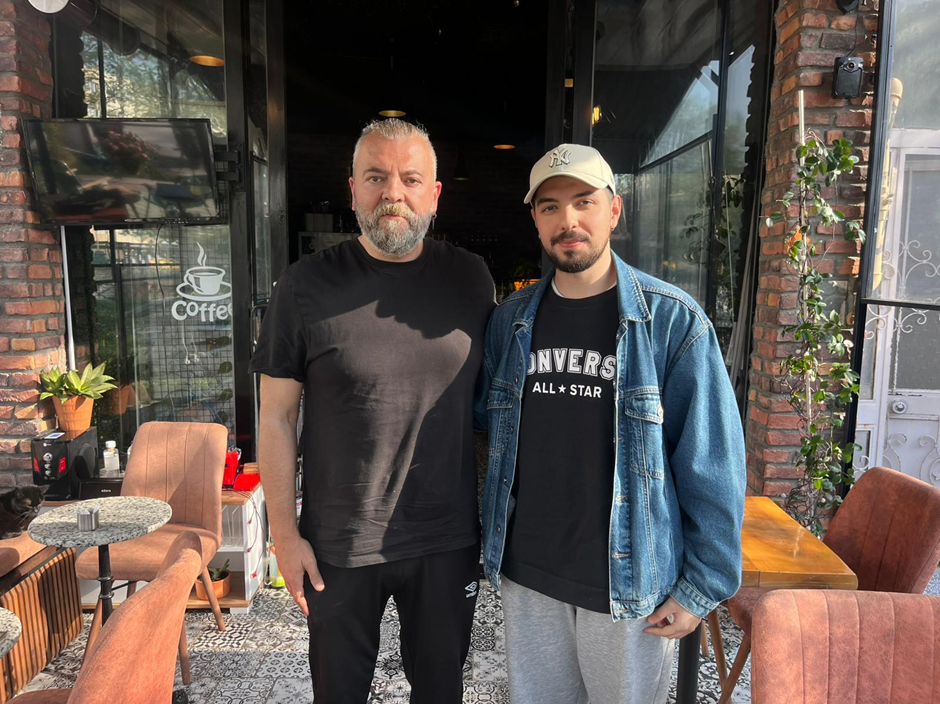
At one point in time, the impact that Eskişehirspor created in Europe was considered one of the greatest achievements an Anatolian club could accomplish. The famous victory against Sevilla in 1971 and the remarks made years later by a Finnish football supporter about Eskişehirspor are only a few examples of this legacy.
“For me, Eskişehirspor represents Turkey’s European identity”
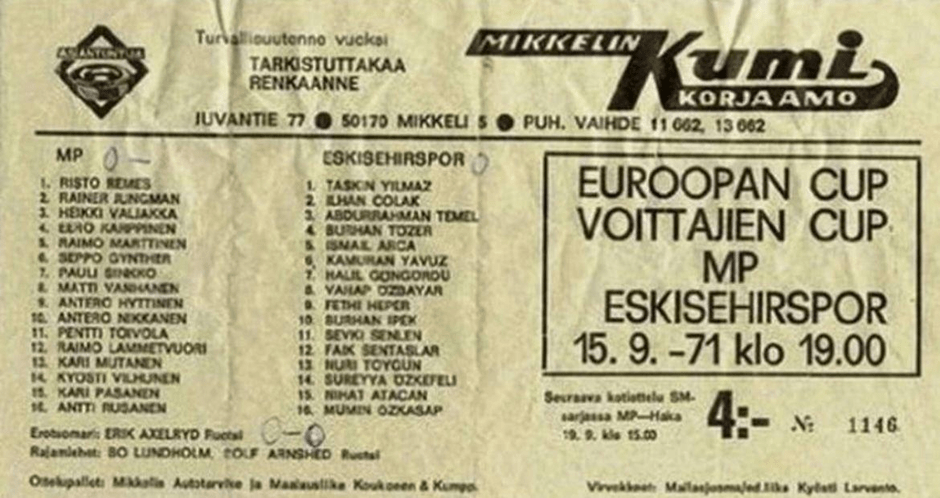
When the dates showed September 15, 1971, Eskişehirspor faced Finnish side Mikkelin Palloilijat in the European Cup Winners’ Cup and managed to secure a 0-0 away draw. Years later, a Finnish supporter who had attended that match was asked the following question: “Which Turkish team do you support?”
His response was remarkable: “It would not be right for me to name one specific team, but I do have sympathy for Eskişehirspor. For me, Eskişehirspor represents Turkey’s European identity.”
It was precisely because of this reputation that Eskişehirspor managed to establish a lasting name across Europe long before many other Turkish clubs.
At the same time, supporters of Kocaelispor also attended the away match against Mikkelin to support Eskişehirspor.
When we asked writer Rıdvan Aras, “What are some of the cultural values and traditions that Eskişehirspor adopted from Europe and brought into its fan culture?” he responded as follows:
“Of course, the Phrygian cap, which was used during the final years of the Roman Republic, was carried by freed slaves as a symbol of liberty. On a coin minted by Brutus between 44 and 42 BC, the Phrygian cap can be seen between two daggers. During the Roman Empire, it was worn in celebrations such as Saturnalia and symbolized citizenship for descendants of former slaves who had been granted freedom by their masters.
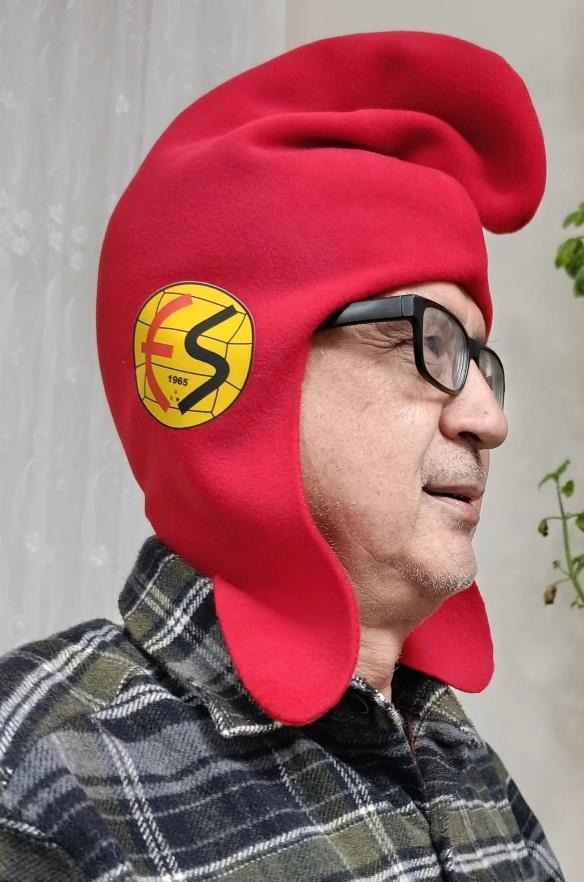
In the 18th century, the red Phrygian cap became an image of freedom and was even displayed on a liberty flag during the American War of Independence.
The Phrygians, who gave their name to the cap, lived in Anatolia with Gordion as their capital, and a significant part of the Phrygian Valley lies within the borders of Eskişehir today. Eskişehirspor itself is a club that carried out an Anatolian revolution. Therefore, the club naturally feels close to the values represented by the cap—revolution and freedom. The color red, which is also the color of the Phrygian cap, further strengthens this connection.
In short, it is both possible and appropriate for this cap to become a symbol of Es-Es, especially in the stands. In fact, Nedim Yurtsever once made important initiatives regarding this matter, and Mustafa Tekeli even wrote a book about it. Eventually, Tekintürk Yıldırım produced the cap with the Es-Es logo and offered it for sale as an Es-Es keychain, creating something truly meaningful.”
We became the first Turkish team to eliminate Spanish clubs from Europe!
Soner Yüksel, Chairman of EHA Media Group and Eskişehir Representative of the International Press Confederation, also evaluated Eskişehirspor’s current playoff journey before the match against Ayvalıkgücü Belediyespor in the Third League Play-Off Second Round.
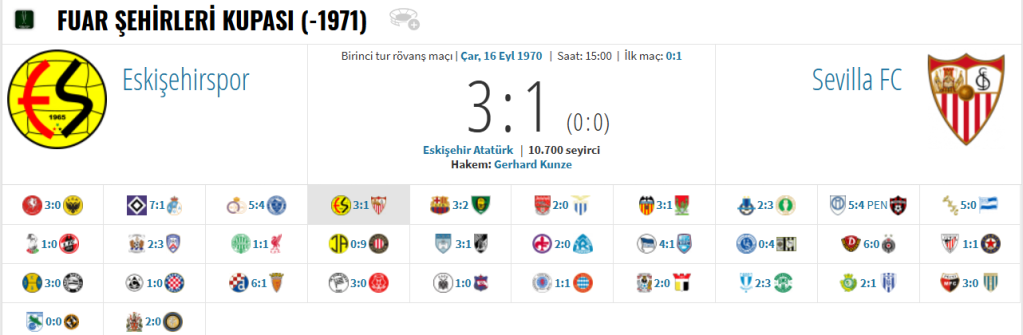
Yüksel stated: “These days, the Eskişehirspor community should never forget the Sevilla match. We lost the first leg 1-0 away from home. Then, in the return match here, we went 1-0 behind again. Overall, we were trailing by two goals. Then Fethi Heper stepped onto the stage. In the final 10 minutes, he scored three goals, completed a hat-trick, and injected the spirit of Eskişehirspor into those who did not believe. We advanced with a 3-2 aggregate victory and became the first Turkish team in history to eliminate Spanish clubs from European competition.”
Eskişehirspor’s brother in Scotland: St. Johnstone
During the 2012-2013 season, Eskişehirspor faced Scottish side St. Johnstone in the UEFA Europa League qualifiers.
Soner Yüksel, who had the opportunity to witness both the Scottish supporters’ visit to Eskişehir and the away trip to Scotland, said the Scots created an extraordinary atmosphere of harmony and brotherhood with Eskişehirspor fans on Barlar Street, accompanied by bagpipes, cultural elements from Scotland, and Eskişehirspor’s famous marching band, Bando Es-Es. He stated that this was where the brotherhood between the two clubs began and that after Eskişehirspor advanced with 2-0 and 1-1 results, the relationship has continued to the present day.
They stood beside us in difficult times
Yüksel also spoke emotionally about the support shown by the Scottish club during Eskişehirspor’s financial struggles:
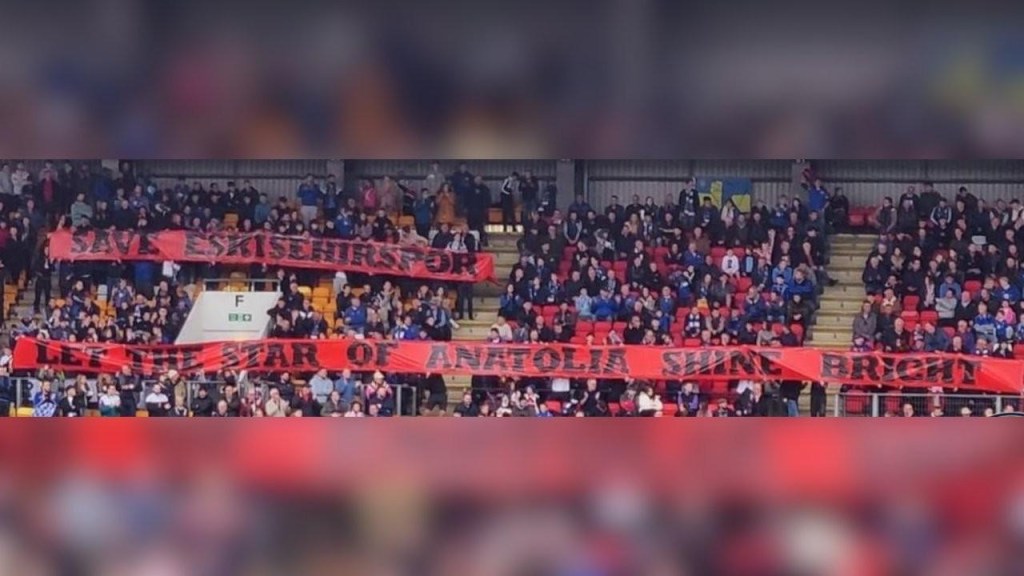
“Following the economic collapse experienced by Eskişehirspor, St. Johnstone designed a red-and-black away jersey to demonstrate their brotherhood with us. In the stands, they displayed a banner reading ‘Let the Anatolian Star Shine Bright,’ and St. Johnstone supporters even collected money among themselves because they wanted to help Eskişehirspor overcome its difficult days.”
Yüksel expressed his gratitude to the Scottish supporters for the friendship that began years ago and still continues today.

