Eskişehir’s Gateway to the World EU Projects
İpek Polat
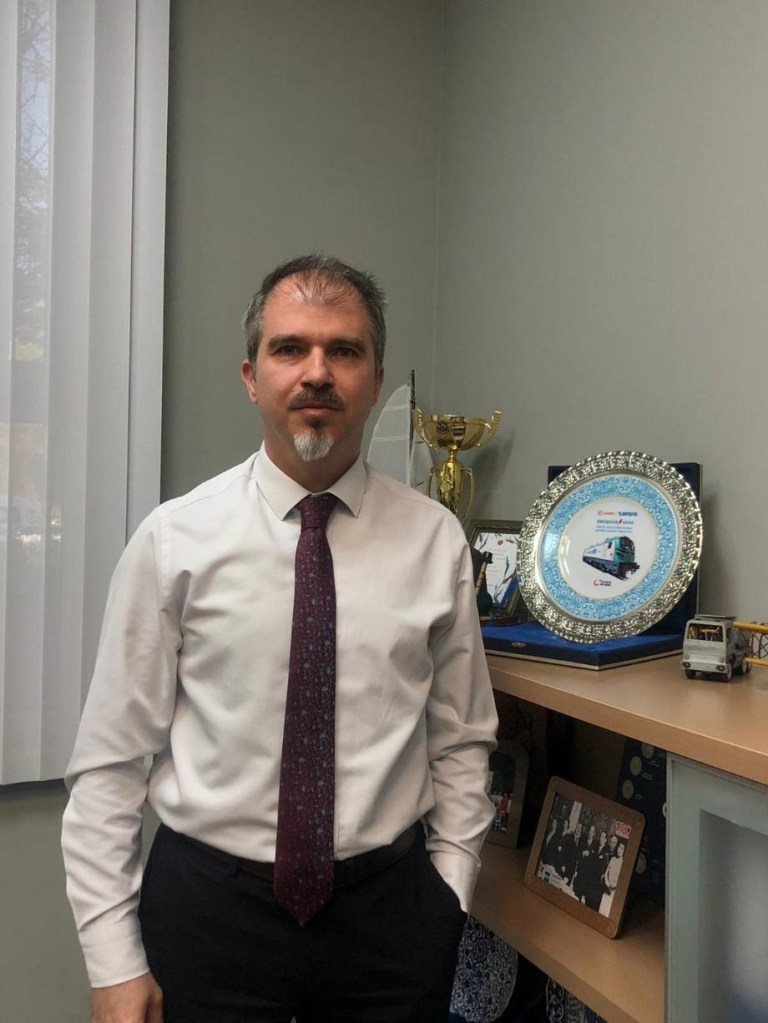
İsmail Öztürk, Deputy Secretary General of the Eskişehir Chamber of Industry and EU Project Specialist, has taken an active role in more than 30 European Union projects to date. In these projects, which have a total budget of approximately 10 million dollars, he provided consultancy for Turkey-EU projects, participated in project management processes, took part in budget planning, and audited the compliance of the projects with EU criteria.
A First in Turkey: ESAC
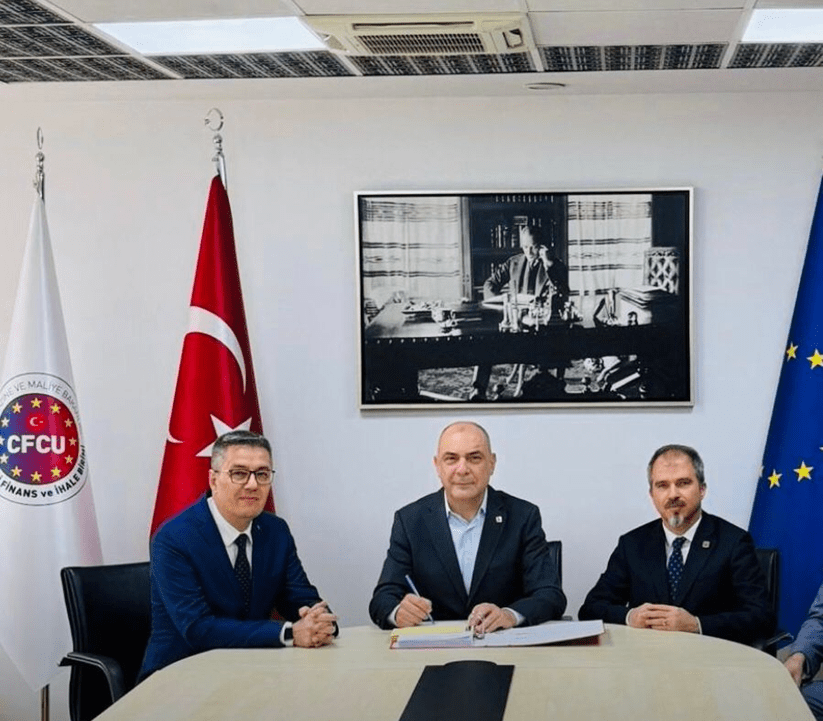
ESAC (Eskişehir Aviation Cluster) holds the distinction of being the first aviation cluster established in Turkey. With more than 50 members, the structure stands out as one of the important initiatives contributing to the internationalization of Turkey’s aviation sector through EU funds. ESAC is also among the current members of the European Aerospace Clusters Partnership (EACP).
Öztürk described ESAC’s EACP membership process with the following words: “The council was not even aware of the existence of a province named Eskişehir. We introduced Eskişehir to them and explained its historical infrastructure in the field of aviation. EU project funds are generally granted to regions that are developing or have the potential to develop. We demonstrated that Eskişehir possesses this potential.”
“We Are Not at the Desired Level”
Stating that Turkey has not yet reached the desired point regarding EU projects, Öztürk pointed out that the share received especially from R&D and innovation-oriented funds is insufficient: “Unfortunately, we are not at the level we desire regarding Brussels-based project approval and fund procurement. In R&D and innovation funds, which have a budget of approximately 100 billion euros, the share received by a dynamic country like Turkey is quite low.”
Expressing that it would not be healthy to directly compare Turkey with EU countries, Öztürk stated that it would be more realistic to make evaluations through countries such as Poland, Hungary, and the Czech Republic: “When we look at the countries Turkey competes with, we see that these countries use EU funds much more efficiently. They have serious investments, particularly in the defense industry and aviation.”
A New Period of Funding in the Defense Industry
Stating that the EU’s approach toward the defense industry changed after the Ukraine-Russia War, Öztürk drew attention to the importance of funds in this area: “Until the Ukraine-Russia War, there were no serious investments aimed at the defense industry within the scope of EU projects. However, after the war, support for this field began to increase. Turkey needs to evaluate these funds correctly.”
Expressing that there are significant deficiencies in the planning and writing phases of projects in Turkey, Öztürk stated that the correct use of artificial intelligence has also become critical: “Artificial intelligence is now an inseparable part of this process. However, it is not possible for it to completely replace human creativity. Experts need to learn how to use artificial intelligence efficiently.”
Eskişehir in the International Arena
Stating that EU projects contribute to Eskişehir’s exports and international visibility, Öztürk expressed that the successes achieved in the World Chambers Competition are also an indicator of this: “With our different projects, we became finalists four times in the World Chambers Competition organized by the ICC (International Chamber of Commerce). These achievements have been an important indicator of the work Eskişehir has done in the international arena.”
“The EU Is a Strategic Partner for Turkey”
Stating that even if changes occur within the EU’s own internal dynamics, the understanding of mutual interest will continue, Öztürk also made evaluations regarding Turkey-EU relations: “Even if the relations within the EU change, I do not think that mutual interests will change. Powerful countries want to protect the environment of peace in Europe.”
Stating that political problems regarding Turkey’s EU membership process persist, Öztürk said that despite this, the EU process has provided important contributions to Turkey: “As everyone knows, Turkey has issues that it finds difficult to resolve regarding matters such as Greece and Southern Cyprus. Considering that no country should veto during the membership process, membership seems quite difficult from a technical standpoint. However, the membership process itself has improved Turkey’s standards.”
Emphasizing that the Customs Union provides important advantages for Turkey, Öztürk expressed that the European market will continue to bear strategic importance for Turkey for many years, concluding his words as follows: “The EU will continue to be one of Turkey’s strategic partners in trade. Because the European market possesses a predictable and systematic structure.”

