
The new generation votes for it’s future
Sudenur Alpdavut
The election traffic in Bulgaria calls dual citizens in Turkey to the ballot boxes. While the increase of the young population among voters draws attention, the age difference in voter profiles brings to mind the concepts of sociological belonging and economic rationality.
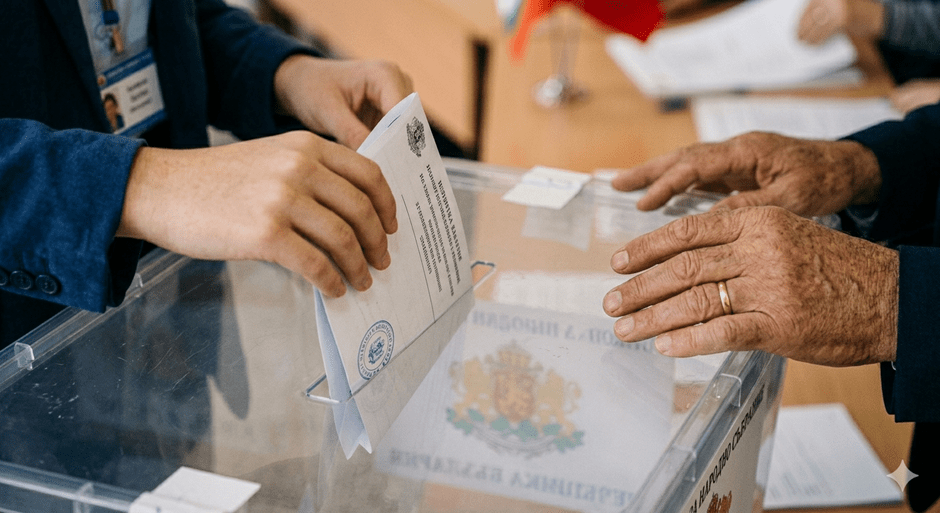
The chronic election processes and successive early general elections in Bulgaria in recent years stand out. This process, which brings the political participation of dual citizens residing in Turkey back to the agenda, contributes to an increase in the number of ballot boxes in Turkey and a rise in voter turnout. Ballot boxes set up all across Turkey represent not just a voting process, but also the determination of political balances in the Balkan geography. The older generation, who traditionally head to the polls with the motivation of devotion to ancestral lands, is joined in recent years by young generation voters who prioritize the economic and legal opportunities offered by EU citizenship.
Generational Gap and Economic Expectations
This change in the voter profile also differentiates the demands at the ballot boxes. While issues such as democratic rights in Bulgaria and retirement are priorities for first-generation immigrants, the process for young dual citizens raised in Turkey revolves more around academic and professional future plans. Particularly the current economic situation in Turkey transforms the perspective of young people toward Bulgarian—and consequently European Union—citizenship from an emotional bond into a “strategic safety zone.”
Euro and Employment Through the Eyes of a Finance Student
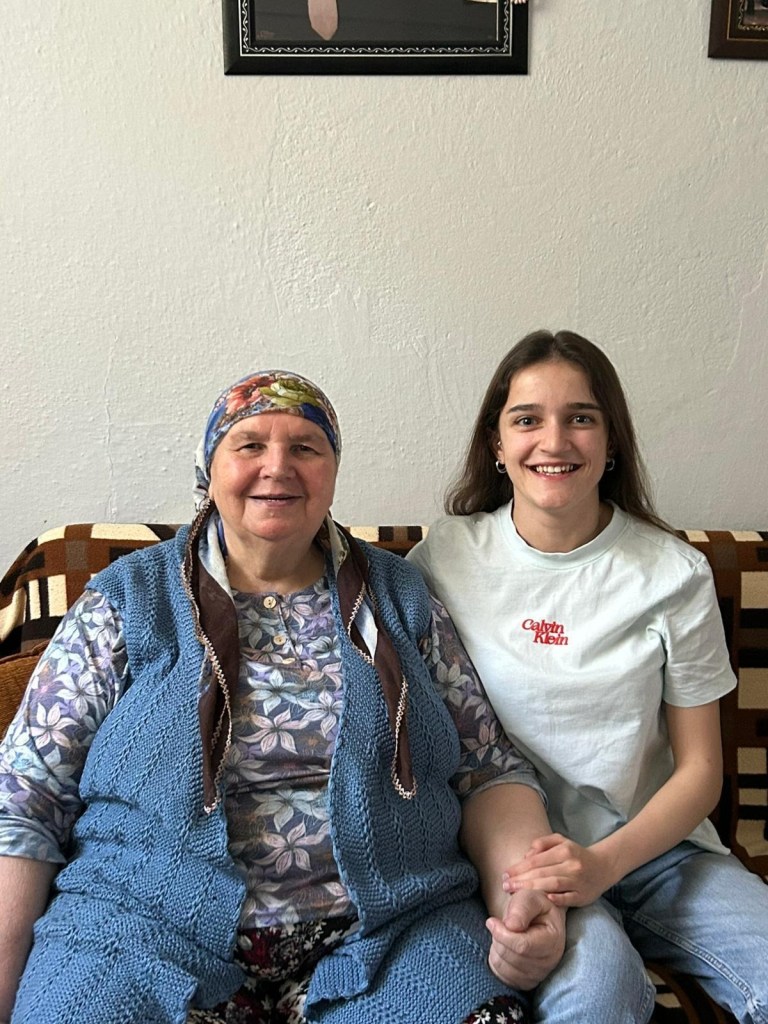
The segment that observes the economic and rational dimension of the process in the most concrete way is young voters receiving education in economics and finance. Evaluating the process from the perspective of a finance student, Melisa Altın, a Bulgarian immigrant and dual citizen from Bursa, positions the act of voting in the balance between a “family heritage” and a “future projection.” Altın, who closely follows financial markets, views Bulgaria’s transition to the Euro at the beginning of 2026 as a turning point in terms of investment security. Stating that being included in the Eurozone will facilitate financial transactions and money transfers, Melisa Altın draws attention to the positive impact of this situation on her personal investments.

“Stability Will Bring Employment”
The young voter conveys her analytical expectations regarding Bulgaria’s economic future with these words: “If economic stability is achieved with its presence within the European Union and the transition to the Euro, it will be possible to solve structural problems such as unemployment and implement policies aimed at increasing employment opportunities. This recovery process means a safer investment environment not only for those living in Bulgaria but also for us, the dual citizens.”
For dual citizens in Turkey, going to the ballot box is now moving beyond being just an emotional heritage taken over from family elders. Especially new generation voters interested in economics and finance disciplines view the act of voting as a rational bridge between the right to representation of compatriots in Bulgaria and the economic safety net offered by the European Union. Every vote cast toward ensuring political stability in Bulgaria directly affects young professionals’ access to European financial markets and investment security. This election traffic on the Turkey–Bulgaria line will continue to be shaped in the coming years by the balance between “the debt of gratitude to the past” and “the economic rationality of the future.” At the ballot box, the new generation of dual citizens are not just voting for a political party; they are actually voting for their own professional living spaces and their economic standing within the European Union.

