The sound of silence: Eskişehir’s youth and the disconnected melodies of Eurovision
Melih Ulaş Altunç
As the 2026 Eurovision Song Contest prepares for its grand final in Vienna, the atmosphere in Eskişehir—known as Türkiye’s “student city”—reveals a profound cultural paradox. According to local experts and students, beyond the political chapters of Türkiye-EU relations, Türkiye’s absence from the European stage since 2012 is creating a “cultural vacuum” that impacts the psychological and social integration of youth.
An inevitable opportunity for soft power
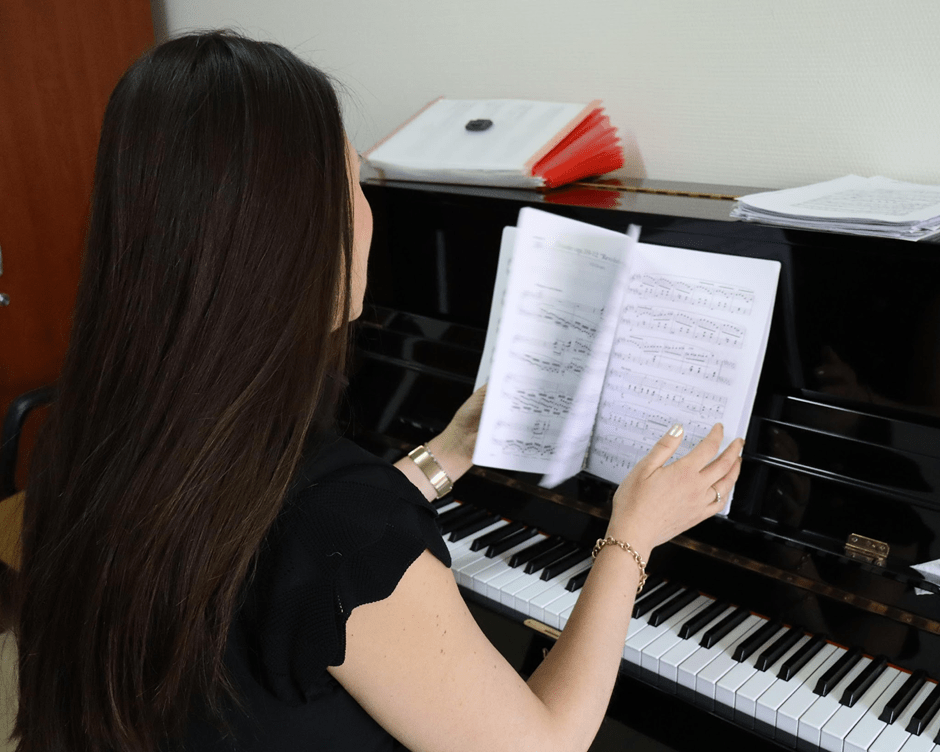
Lecturer Filiz Ahmetoğlu from the Department of Performing Arts at Anadolu University State Conservatory evaluates the situation as a missing link in international representation. Stating that art is the ultimate bridge proving that humanity is one, Ahmetoğlu notes that Eurovision serves as a “mirror” for a nation’s cultural health:
“Participating in such contests is an inevitable opportunity for young people to introduce their culture correctly. Our absence is not just a musical choice; it is a political decision that limits our musicians’ horizons.”
Erasmus spirit and cultural isolation
The psychological effects of this “exclusion” are most observed in students returning from abroad. Sudenur Alpavut, a journalism student who recently completed her Erasmus+ program in Romania, emphasizes that being part of the European cultural sphere requires more than just physical presence. “In Europe, Eurovision is a primary tool for bonding. When you are excluded from that narrative, you feel a sense of ‘deficiency’ in cultural conversations,” Alpavut says.

Comparing the pace of life and social habits, Alpavut also agrees with the observations of foreign students in Eskişehir: “Eskişehir has a European soul with its river, cafes, and streets; however, we lack the ‘efficiency culture’ or the shared events that define today’s Europe. We need tools like Eurovision to bridge this gap.”
Fighting prejudices on stage
Veysel Kardaş, a Cinema-TV student who recently traveled through 20 countries, draws attention to the persistent prejudices stemming from the misrecognition of Turkish society. Recalling his experiences in Spain, Kardaş says, “Many Europeans still look at Türkiye through a Middle Eastern lens, sometimes even asking if we travel by camels.” He argues that Eurovision is a powerful platform to dismantle these stereotypes.

Kardaş also points out the clash of values between Turkish collectivism and European individualism. Remembering a difficult moment in Spain where he was charged rent despite sleeping on the floor, Kardaş continues: “Our culture of hospitality is our strength, but we are losing the chance to showcase this through modern art. Eurovision is a place where we can say ‘we are here’ and challenge the second-class treatment that Turkish students often feel abroad.”
An unfinished melody
The general consensus in Eskişehir indicates that cultural integration is a two-way street. Just as foreign students in Türkiye struggle with the differences in the pace of life or digital literacy, Turkish youth feel the weight of their absence from the European music stage. As long as the “Eurovision silence” continues to echo in the cafes of Adalar, the dream of a fully integrated Türkiye-EU identity will remain a “melancholic” goal, waiting for a social support system to overcome political barriers.

